Construction Debris: What You Can (and Can't) Take to the Dump
Renovating your home? Drywall, lumber, concrete, and roofing materials have different disposal rules than regular trash. Here's what to know.
Read more →Find landfills, transfer stations, and recycling centers across Virginia
217 waste disposal facilities
Virginia's waste management network serves urban areas in Northern Virginia, Hampton Roads, and Richmond as well as rural communities throughout the Commonwealth. The Virginia Department of Environmental Quality regulates disposal facilities.
Showing 1-24 of 217 locations
Atlantic · Accomack County Northern Landfill, 9400 Cutler Lane, Atlantic, 23303, Virginia
View DetailsAccomac · Public Works Dept, Mailing Address Accomack Co. Public Works Dept. P.O. Box 476 Accomac, VA 23301 Office Location, 24401 Joynes Neck Rd, Accomac, VA 23301
View DetailsCovington · 1807 Valley Ridge Rd, Covington, VA 24426
View DetailsMadison Heights · Amherst County Landfill, 715 Kentmoor Farm Road, Madison Heights, 24572, Virginia
View DetailsMadison Heights · 715 Kentmoor Farm Rd, Madison Heights, VA 24572
View DetailsStaunton · Augusta County Service Authority Landfill, 749 Christians Creek Road, Staunton, 24401, Virginia
View DetailsStaunton · 749 Christians Creek Rd, Staunton, VA 24401
View DetailsManassas · 13000 Balls Ford Rd, Manassas, VA 20109
View DetailsBumpass · 2805 Lewiston Rd, Bumpass, VA 23024
View DetailsHot Springs · 1175 Virginia Ave, Hot Springs, VA 24445
View DetailsLuray · Battle Creek Landfill, 806 US-340 South 219 Landfill Drive, Luray, 22835, Virginia
View DetailsHampton · 310 E St, Hampton, VA 23661
View DetailsBedford · Bedford City Hylton Site, 856 Orange Street, Bedford, 24523, Virginia
View DetailsBedford · Bedford County Sanitary Landfill 2, 1060 Recycle Road, Bedford, 24523, Virginia
View DetailsMoneta · 1832 Radford Church Rd, Moneta, VA 24121
View DetailsForest · 16169 Forest Rd, Forest, VA 24551
View DetailsFredericksburg · 1200 Belman Rd, Fredericksburg, VA 22401
View DetailsVirginia's solid waste management is regulated by the Department of Environmental Quality (DEQ) under the Virginia Solid Waste Management Regulations at 9VAC20-81 in the Virginia Administrative Code. DEQ regulates storage, treatment, and disposal of solid waste while encouraging reuse and recycling. No person may operate any sanitary landfill or other solid waste facility without a DEQ permit, which is required prior to construction, operation, or modification of any facility that stores, treats, disposes of, or otherwise manages solid wastes.
Virginia is updating its state solid waste management plan for the first time since 1979, offering a 20-year vision to prioritize waste diversion and promote circular economy principles. The DEQ sought public comments through December 2025 and anticipates finalizing the plan in 2026 after Waste Management Board approval. Landfill capacity is among the concerns outlined, as Virginia manages about 22 million tons of solid waste annually, with approximately 17 million tons originating inside the Commonwealth.
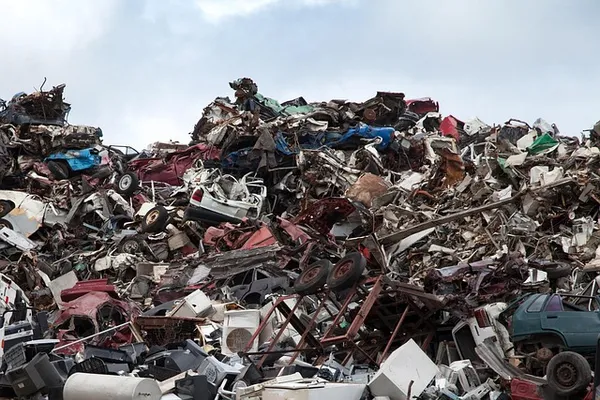
The Solid Waste Management Regulations establish requirements for facility siting, operation, and monitoring of landfills, including leachate management, gas control, groundwater monitoring, and financial assurance for closure and post-closure care. Facility owners must maintain self-inspection, monitoring, and unauthorized waste records for at least three years, and notify DEQ of any noncompliance or unusual conditions that may endanger health or the environment.
Disposal fees vary significantly across Virginia's regions. Northern Virginia facilities near Washington D.C. charge $50 to $80 per ton, while other areas may be less expensive. Residential self-haul typically costs $25 to $50 per load, with some localities offering free disposal for residents at convenience centers. Regional authorities like the Central Virginia Waste Management Authority coordinate services across multiple jurisdictions.
Electronics cannot be disposed in regular trash across Virginia. Most localities have e-waste collection at convenience centers or transfer stations, with some items free and TVs or monitors carrying fees. Retailers also accept certain electronics for recycling. Most counties and cities operate household hazardous waste collection programs through events or permanent facilities. Before visiting any facility, contact your local DEQ regional office or the facility directly to confirm accepted materials and current fees.
Learn how to properly dispose of common items.
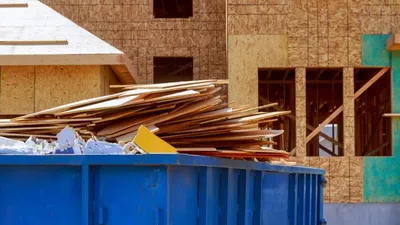
Renovating your home? Drywall, lumber, concrete, and roofing materials have different disposal rules than regular trash. Here's what to know.
Read more →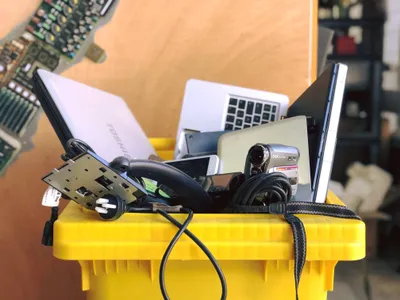
E-waste rules vary wildly by state. Some ban electronics from landfills entirely. Here's how to recycle old TVs, computers, and phones properly.
Read more →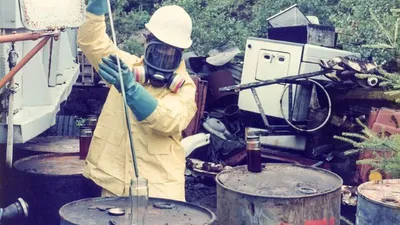
Most counties run free household hazardous waste collection events. Here's what qualifies, how to find your local event, and how to store stuff safely until then.
Read more →