Construction Debris: What You Can (and Can't) Take to the Dump
Renovating your home? Drywall, lumber, concrete, and roofing materials have different disposal rules than regular trash. Here's what to know.
Read more →Find landfills, transfer stations, and recycling centers across North Carolina
333 waste disposal facilities
North Carolina's waste management network serves communities from the Outer Banks to the Blue Ridge Mountains. The North Carolina Department of Environmental Quality oversees regulations, with most facilities operated by counties or regional authorities.
Showing 1-24 of 333 locations
Chapel Hill · 1402 Fordham Blvd, Chapel Hill, NC 27514
View DetailsGraham · Alamance County Landfill, 2701 Austin Quarter Road SR-2148, Graham, 27253, North Carolina
View DetailsAlbemarle · 40592 Stony Gap Rd # B, Albemarle, NC 28001
View DetailsTownship of Taylorsville · 2500 Paynes Dairy Rd, Taylorsville, NC 28681
View DetailsStatesville · 3776 Amity Hill Rd, Statesville, NC 28677
View DetailsPolkton · Anson County Waste Management Facility, 375 Dozer Drive, Polkton, 28135, North Carolina
View DetailsMonroe · 5109 Armfield Mill Rd, Monroe, NC 28112
View DetailsWest Jefferson · 6311 US-221, West Jefferson, NC 28694
View DetailsCrumpler · Ashe County Landfill, 729 Fred Pugh Road, Crumpler, 28617, North Carolina
View DetailsAsheville · 24 Pond Road, Asheville, NC 28806
View DetailsHampstead · 229 Transfer Station Rd B, Hampstead, NC 28443
View DetailsLake Lure · 2130 Bills Creek Rd, Lake Lure, NC 28746
View DetailsGreensboro · 2146 Bishop Rd, Greensboro, NC 27406
View DetailsNewton · 3993 Rocky Ford Rd, Newton, NC 28658
View DetailsNewton · Blackburn Sanitary Landfill, 4017 Rocky Ford Road, Newton, 28658, North Carolina
View DetailsElizabethtown · 1522 Mercer Mill Rd Ext, Elizabethtown, NC 28337
View DetailsSanford · 1025 Claude White Rd, Sanford, NC 27332
View DetailsNorth Carolina's solid waste management is administered by the Solid Waste Section of the NC DEQ Division of Waste Management under Article 9 of Chapter 130A of the NC General Statutes and Title 15A, Subchapter 13B of the NC Administrative Code. The Section has EPA approval to administer applicable federal regulations, and the NC Environmental Management Commission has authority to adopt or amend solid waste rules. The readoption of all rules was completed in September 2021, with the next ten-year periodic review expected after 2025.
North Carolina's solid waste policy follows a hierarchy established in G.S. 130A-309.04, preferring reduction, reuse, and recycling before disposal. Composting is the first option after recycling. Transfer stations and sanitary landfills for industrial, construction and demolition, or municipal solid waste receive life-of-site permits under G.S. 130A-294(a2). The state currently has municipal solid waste landfills, construction and demolition facilities, and industrial landfills serving communities from the Outer Banks to the Blue Ridge Mountains.
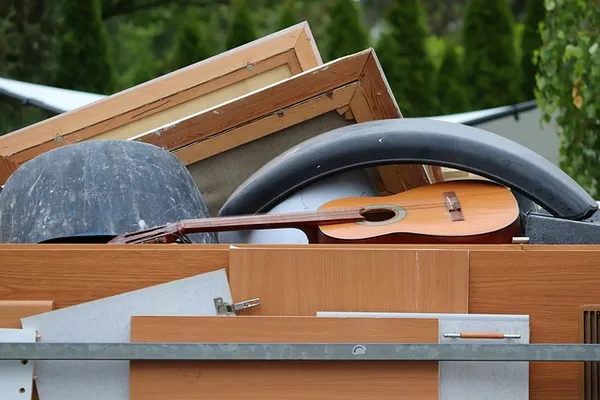
Counties across North Carolina operate convenience centers where residents can drop off household waste, recyclables, and special items, typically free with proof of residency. Landfill fees range from $30 to $50 per ton, with many counties offering free disposal at convenience centers for household quantities. Commercial rates and large loads are charged by weight according to each county's fee schedule.
The NC General Assembly has established disposal bans on certain materials under G.S. 130A-309.10, including electronics. Computers, TVs, and other electronic devices must be recycled rather than landfilled. Counties provide e-waste collection at convenience centers or through special events, and retailers selling electronics must offer take-back options. Recent permit activity includes draft permits for coal combustion residual (CCR) landfill expansions, such as Duke Energy's Marshall Industrial Landfill in Catawba County.
Coastal counties maintain debris management plans for hurricane response. After major storms, temporary collection sites open to handle vegetative debris, construction materials, and damaged appliances separately. Regular facility hours may be extended during recovery periods. Before visiting any facility, contact your county solid waste department to confirm accepted materials, current fees, and operating hours.
Learn how to properly dispose of common items.
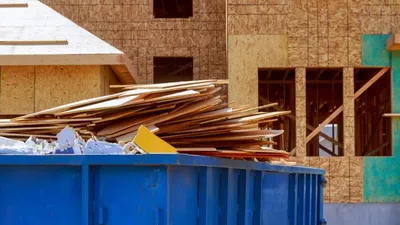
Renovating your home? Drywall, lumber, concrete, and roofing materials have different disposal rules than regular trash. Here's what to know.
Read more →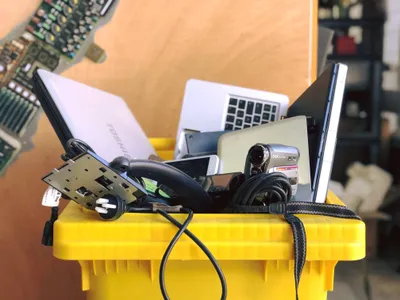
E-waste rules vary wildly by state. Some ban electronics from landfills entirely. Here's how to recycle old TVs, computers, and phones properly.
Read more →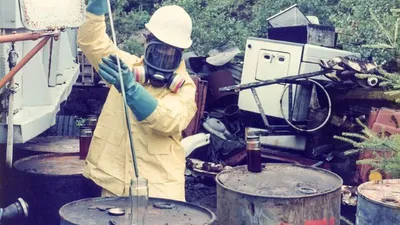
Most counties run free household hazardous waste collection events. Here's what qualifies, how to find your local event, and how to store stuff safely until then.
Read more →