Construction Debris: What You Can (and Can't) Take to the Dump
Renovating your home? Drywall, lumber, concrete, and roofing materials have different disposal rules than regular trash. Here's what to know.
Read more →Find landfills, transfer stations, and recycling centers across North Dakota
44 waste disposal facilities
North Dakota's waste management facilities serve agricultural communities and growing urban areas. The North Dakota Department of Environmental Quality oversees solid waste regulations, with most facilities operated by cities, counties, or regional authorities.
Showing 1-24 of 44 locations
Bismarck · Bismarck Landfill, 2111 North 52nd Street, Bismarck, 58506, North Dakota
View DetailsFargo · City of Fargo Landfill, 4501 7th Avenue North, Fargo, 58102, North Dakota
View DetailsMinot · City of Minot Landfill, 20th Avenue SW, Minot, 58701, North Dakota
View DetailsPark River · 218 Prospect Ave N, Park River, ND 58270
View DetailsBismarck · Db Waste LLC, S 7th St, Bismarck, ND 58503
View DetailsDickinson · Dickinson Landfill, 3389 Energy Dr, Dickinson, 58601, North Dakota
View DetailsFargo · 606 43 1/2 St N, Fargo, ND 58102
View DetailsFargo · 2301 8th Ave N #3201, Fargo, ND 58102
View DetailsGrand Forks · Grand Forks Active Landfill, 5500 54th Avenue North, Grand Forks, 58203, North Dakota
View DetailsWishek · 7971 32 Avenue SE, Wishek, ND 58495
View DetailsJamestown · Jamestown Landfill, 8980 35th St SE, Jamestown, 58401, North Dakota
View DetailsArnegard · McKenzie County Landfill, 13240 25th St NW, Arnegard, 58835, North Dakota
View DetailsNorth Dakota's solid waste management is regulated by the Department of Environmental Quality's Division of Waste Management under North Dakota Century Code Title 23.1 Environmental Quality. The Division enforces state and federal environmental laws governing where and how materials are stored and disposed. North Dakota's solid waste system is organized into eight management districts established by the 1991 legislative session to ensure effective and economical management statewide.
The regulatory framework includes NDAC Title 33.1 Solid Waste Management Rules, which cover municipal, industrial, and special waste disposal. Industrial waste may be codisposed with municipal waste in amounts up to 10 percent monthly by weight, not exceeding 20,000 tons per year or 3,000 tons in any one month. Landfills cannot be located in unsuitable areas including within aquifers, wellhead protection areas, hundred-year flood plains, or where geologic features may cause structural failure.
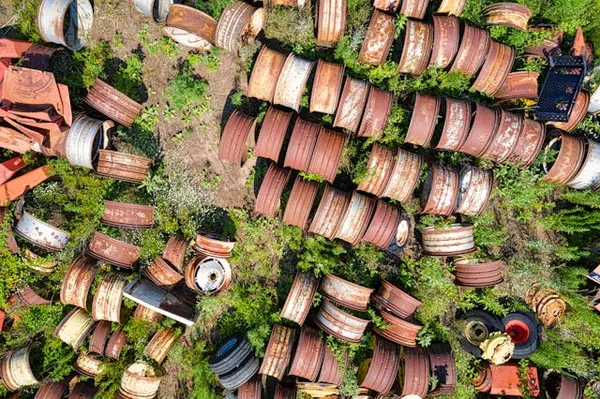
Disposal fees in North Dakota range from $20 to $35 per ton, with residential self-haul typically costing $10 to $25 per pickup load. Fargo and Bismarck area facilities may have higher rates. Some communities include disposal costs in utility fees. Rural communities often operate transfer stations or share facilities with neighboring towns, with waste transported to regional landfills.
Oil and gas exploration and production (E&P) wastes are regulated separately as special waste under North Dakota law. These materials require disposal at specially permitted facilities and cannot go to municipal landfills. In May 2025, EPA proposed approval of North Dakota's application to manage its own coal combustion residuals (CCR) program, allowing the state to regulate coal ash disposal under NDAC Chapter 33.1-20-08 if standards meet or exceed federal requirements. The state has identified 15 CCR disposal units at seven facilities.
Appliances containing refrigerants, lead-acid batteries, and other hazardous materials are banned from landfills. Pesticide containers must be triple-rinsed before disposal, and concentrated chemicals require hazardous waste handling. The NDDEQ has authority to issue compliance orders and seek penalties for violations. Before visiting any facility, contact the Division of Waste Management or the facility directly to confirm accepted materials, fees, and operating hours.
Learn how to properly dispose of common items.
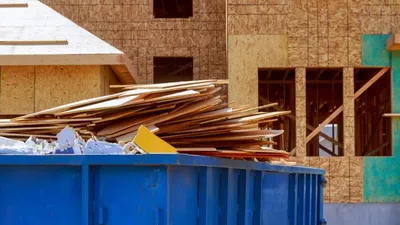
Renovating your home? Drywall, lumber, concrete, and roofing materials have different disposal rules than regular trash. Here's what to know.
Read more →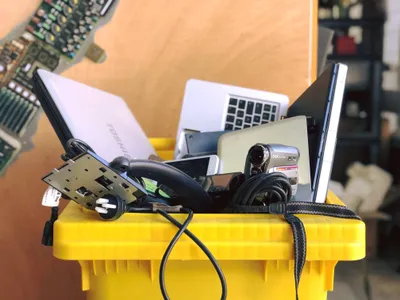
E-waste rules vary wildly by state. Some ban electronics from landfills entirely. Here's how to recycle old TVs, computers, and phones properly.
Read more →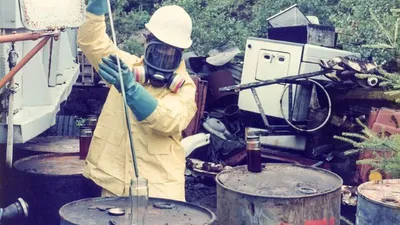
Most counties run free household hazardous waste collection events. Here's what qualifies, how to find your local event, and how to store stuff safely until then.
Read more →