Construction Debris: What You Can (and Can't) Take to the Dump
Renovating your home? Drywall, lumber, concrete, and roofing materials have different disposal rules than regular trash. Here's what to know.
Read more →Find landfills, transfer stations, and recycling centers across Massachusetts
211 waste disposal facilities
Massachusetts emphasizes recycling and waste reduction through a network of transfer stations and waste-to-energy facilities. The Massachusetts Department of Environmental Protection sets strict standards, with most waste handled by municipal transfer stations and private facilities.
Showing 1-24 of 211 locations
Acton · 14 Forest Rd, Acton, MA 01720
View DetailsAmherst · 740 Belchertown Rd, Amherst, MA 01002
View DetailsAshfield · 776 Ashfield Mountain Rd, Ashfield, MA 01330
View DetailsBellingham · 119 S Maple St, Bellingham, MA 02019
View DetailsBlackstone · 14 Chestnut St, Blackstone, MA 01504
View DetailsBolton · 95 Forbush Mill Rd, Bolton, MA 01740
View DetailsAgawam · Bondi Island Landfill, Agawam Avenue, West Springfield, 01089, Massachusetts
View DetailsBourne · 201 MacArthur Blvd, Bourne, MA 02532
View DetailsBourne · Bourne Landfill, 201 MacArthur Boulevard Route 28, Bourne, 02532, Massachusetts
View DetailsBoxborough · 550 Codman Hill Rd, Boxborough, MA 01719
View DetailsBrewster · 201 Run Hill Rd, Brewster, MA 02631
View DetailsBridgewater · 1200 Beford Street (Route 18), 18 Bedford St, Bridgewater, MA 02324
View DetailsBrockton · 300 Oak Hill Way, Brockton, MA 02301
View DetailsBrookfield · 7 Quaboag St, Brookfield, MA 01506
View DetailsAshfield · Bailey Rd, Shelburne Falls, MA 01370
View DetailsCambridge · 147 Hampshire St, Cambridge, MA 02139
View DetailsCanton · 87 Pine St, Canton, MA 02021
View DetailsCarlisle · Elizabeth Ridge Rd, Carlisle, MA 01741
View DetailsMassachusetts operates one of the nation's most progressive waste management systems, regulated by the Massachusetts Department of Environmental Protection (MassDEP). The state's 2030 Solid Waste Master Plan, finalized in October 2021, establishes ambitious goals to reduce disposal by 30 percent from 5.7 million tons in 2018 to 4 million tons by 2030, with a long-term target of 90 percent reduction by 2050. Massachusetts generates approximately 5.8 million tons of municipal solid waste annually serving 7 million residents, and operates only 7 active landfills, the lowest per-capita landfill capacity in the nation.
The state's waste ban regulations are among the strictest in the country, prohibiting disposal of certain recyclable and hazardous materials at solid waste facilities. Banned items include cardboard, metal, yard waste, tires, appliances, cathode ray tubes, mattresses, and textiles, with the mattress and textile bans effective since November 2022. The commercial organic waste ban now applies to facilities generating more than one-half ton of food waste per week. Solid waste facilities must undergo periodic third-party waste ban compliance inspections under 310 CMR 19.018.
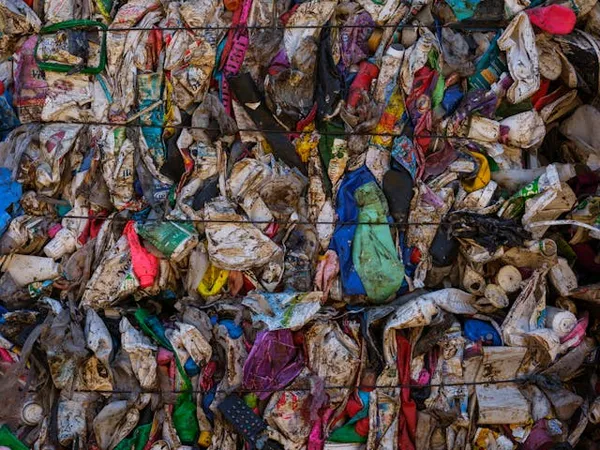
Most Massachusetts communities operate transfer stations requiring permits or stickers obtained from town hall. Residents bring waste pre-sorted into trash, recyclables, and special categories like electronics, bulky items, and yard waste. Many towns use pay-as-you-throw systems where residents purchase special bags for disposal, incentivizing waste reduction and recycling. Transfer station fees vary by item type, with bulky items typically costing $10 to $30 each and mattresses $20 to $40.
Beyond landfills, Massachusetts operates 12 waste-to-energy incinerators and over 30 materials recovery facilities processing recyclables. The state is actively working to increase organics diversion capacity, with MassDEP Deputy Division Director John Fischer noting that reaching 780,000 tons of organic waste diversion annually by 2030 will require expanded infrastructure and stakeholder engagement. Composting facilities and anaerobic digesters are increasingly important to achieving state waste reduction goals.
MassDEP maintains updated facility lists including active landfills, combustion facilities, and handling facilities, with the most recent updates published in July 2025. Proposed amendments to the Massachusetts Hazardous Waste Regulations were presented at an April 2025 stakeholder meeting, adopting two existing EPA rules. Before visiting any disposal facility, check with your town for permit requirements, accepted materials, and current fees, as regulations and services vary significantly by municipality.
Learn how to properly dispose of common items.
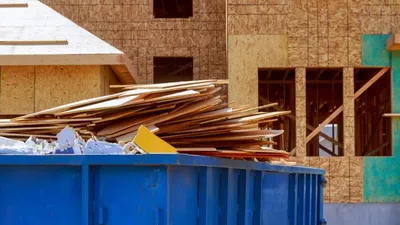
Renovating your home? Drywall, lumber, concrete, and roofing materials have different disposal rules than regular trash. Here's what to know.
Read more →
E-waste rules vary wildly by state. Some ban electronics from landfills entirely. Here's how to recycle old TVs, computers, and phones properly.
Read more →
Most counties run free household hazardous waste collection events. Here's what qualifies, how to find your local event, and how to store stuff safely until then.
Read more →