Construction Debris: What You Can (and Can't) Take to the Dump
Renovating your home? Drywall, lumber, concrete, and roofing materials have different disposal rules than regular trash. Here's what to know.
Read more →Find landfills, transfer stations, and recycling centers across Kansas
169 waste disposal facilities
Kansas waste management facilities serve communities from Kansas City suburbs to rural western plains. The Kansas Department of Health and Environment regulates disposal sites, with services provided through a combination of county operations and private companies.
Showing 1-24 of 169 locations
La Harpe · Allen County Landfill, 1170 2800th Street, La Harpe, 66751, Kansas
View DetailsAtchison · 8976 Neosho Rd, Atchison, KS 66002
View DetailsEffingham · 9803 US-159, Effingham, KS 66023
View DetailsKiowa · Barber County Landfill, 12890 SE Highway 281, Kiowa, 67070, Kansas
View DetailsGreat Bend · Barton County Sanitary Landfill, 350 NE 30 Road, Great Bend, 67530, Kansas
View DetailsFort Scott · 2286 Noble Rd, Fort Scott, KS 66701
View DetailsWichita · 3233 Southeast Blvd, Wichita, KS 67216
View DetailsEl Dorado · Butler County Landfill, 2963 SW 40th, El Dorado, 67042, Kansas
View DetailsWichita · 3600 N West St, Wichita, KS 67205
View DetailsChanute · Chanute Landfill, 2201 E. 14th, Chanute, 66720, Kansas
View DetailsWheeler · Cheyenne County Landfill, 1450 Road 21, St. Francis, 67756, Kansas
View DetailsLawrence · 1420 E 11th St, Lawrence, KS 66044
View DetailsOakley · City of Oakley Landfill, 3510 Day Dream Road, Oakley, 67748, Kansas
View DetailsThe Kansas Department of Health and Environment (KDHE) Bureau of Waste Management works to minimize health and environmental impacts from the generation, storage, transportation, treatment, and disposal of solid and hazardous wastes throughout the state. Since 1993, all municipal solid waste landfills in Kansas must comply with federal RCRA Subtitle D requirements, ensuring proper liner systems, leachate collection, groundwater monitoring, and closure procedures.
Kansas operates a mix of regional landfills in population centers and rural convenience centers serving western plains communities. The Bureau of Waste Management issues permits for landfills, transfer stations, composting facilities, household hazardous waste sites, incinerators, and tire processors. Maps and databases on the KDHE website help residents locate facilities and understand waste acceptance limits for different site types.
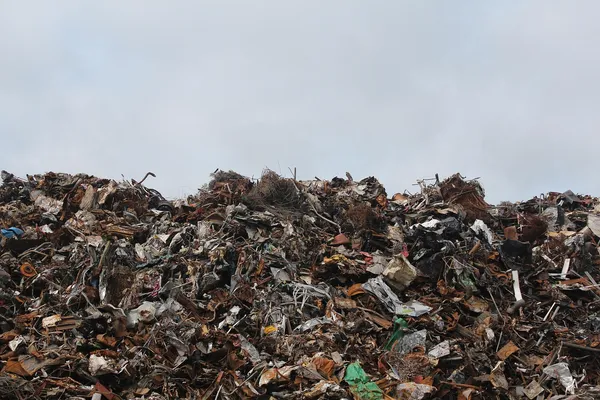
Disposal fees vary across Kansas, with landfills typically charging $25 to $40 per ton depending on location and waste type. Residential self-haul rates run $15 to $30 per pickup load at most facilities, though some impose minimum charges. Rural convenience centers may use different fee structures, often based on container size or flat rates per visit. Contact facilities directly for current pricing and accepted materials.
Large appliances are accepted at most Kansas landfills and transfer stations, though white goods containing refrigerants like refrigerators, freezers, and air conditioners require special handling with fees typically ranging from $10 to $25 for proper refrigerant recovery. Some communities offer curbside pickup for large appliances with advance scheduling. Electronics and televisions may have separate requirements depending on the facility.
Waste tires are accepted at Kansas landfills for $2 to $4 each, and many counties hold tire amnesty events where residents can dispose of accumulated tires free of charge. Tire retailers must accept old tires when customers purchase replacements. Stockpiling tires on private property is regulated due to fire and mosquito breeding concerns. KDHE provides education and grant programs for household hazardous waste collection, helping communities establish collection events for paint, chemicals, and automotive fluids.
Learn how to properly dispose of common items.
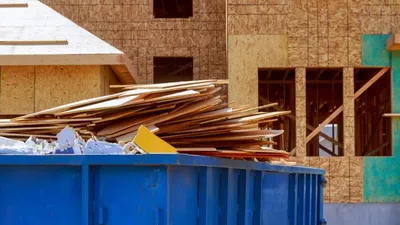
Renovating your home? Drywall, lumber, concrete, and roofing materials have different disposal rules than regular trash. Here's what to know.
Read more →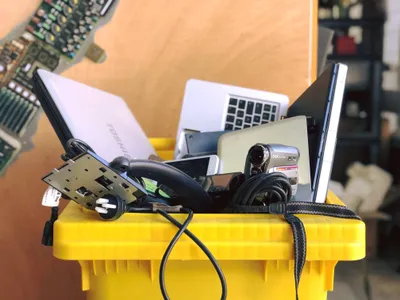
E-waste rules vary wildly by state. Some ban electronics from landfills entirely. Here's how to recycle old TVs, computers, and phones properly.
Read more →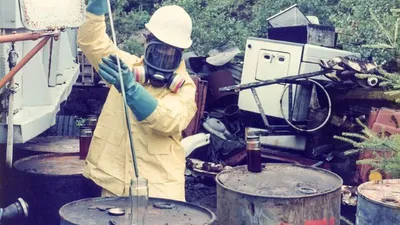
Most counties run free household hazardous waste collection events. Here's what qualifies, how to find your local event, and how to store stuff safely until then.
Read more →