Construction Debris: What You Can (and Can't) Take to the Dump
Renovating your home? Drywall, lumber, concrete, and roofing materials have different disposal rules than regular trash. Here's what to know.
Read more →Find landfills, transfer stations, and recycling centers across Hawaii
47 waste disposal facilities
Hawaii faces unique waste management challenges as an island state with limited landfill space. The Hawaii Department of Health regulates facilities across the major islands, with each county operating its own system. Shipping costs and environmental concerns drive strong recycling and waste reduction efforts.
Showing 1-24 of 47 locations
Kahului · Central Maui Landfill, 1 Pulehu Road, Puunene, 96784, Hawaiii
View DetailsKahului · Pulehu Rd & Hansen Rd, Puunene, HI 96784
View DetailsOcean View · 928598 Paradise Makai Cir, Ocean View, HI 96704
View DetailsEwa Beach · 91-1000 Geiger Rd, Ewa Beach, HI 96706
View DetailsMountain View · 18-1859 Volcano Rd, Mountain View, HI 96771
View DetailsPrinceville · 5-3751 Kuhio Hwy, Princeville, HI 96722
View DetailsHonolulu · 1169 Mikole St, Honolulu, HI 96819
View DetailsWaianae · 87-1796 Farrington Hwy, Waianae, HI 96792
View DetailsHawi · 55-3558 Kaauhuhu Rd, Hawi, HI 96719
View DetailsKailua · Kaneohe Marine Corps Air Station Landfill, MCBH Kaneohe Bay, Kaneohe Bay, 96863, Hawaiii
View DetailsKailua · 100 Kapaa Quarry Rd, Kailua, HI 96734
View DetailsHaleiwa · 62-180 Kawailoa Dr, Haleiwa, HI 96712
View DetailsKeaau · 16-921 Keaau-Pahoa Rd, Keaau, HI 96749
View DetailsKailua-Kona · 74-625 Hale Makai Pl, Kailua-Kona, HI 96740
View DetailsKailua-Kona · Queen Ka'ahumanu Hwy, Kailua-Kona, HI 96740
View DetailsHolualoa · 79-7074 Mamalahoa Hwy, Holualoa, HI 96725
View DetailsCaptain Cook · 82-6271 Puuhonua Rd, Captain Cook, HI 96704
View DetailsKekaha · Kekaha Landfill/Phases I & II, 6900-D Kaumualii Highway, Kekaha, 96752, Hawaiii
View DetailsKihei · E Welakahao Rd, Kihei, HI 96753
View DetailsHawaii's island geography creates waste management challenges unlike any other state, with limited landfill space, high shipping costs, and strong environmental sensitivity driving innovative approaches to disposal and recycling. The Hawaii Department of Health Solid and Hazardous Waste Branch regulates facilities statewide, working to ensure environmentally sound and cost-effective management while promoting pollution prevention and waste minimization. Each county operates its own solid waste system under state DOH oversight.
Oahu's H-POWER waste-to-energy facility converts a significant portion of the island's trash into electricity, reducing landfill demand on the most populated island. However, capacity limitations mean not all waste can be processed this way. The neighbor islands rely more heavily on traditional landfills, with Maui, Hawaii County, and Kauai each operating transfer stations and disposal facilities suited to their populations and geography. Disposal fees tend to be higher than mainland states due to operational costs.
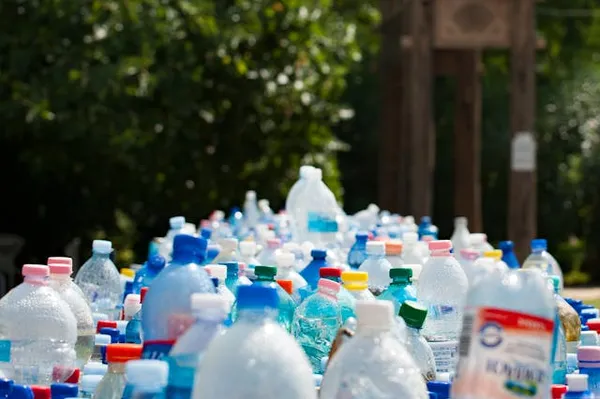
Hawaii's deposit beverage container program is one of the state's most successful recycling initiatives. A 5-cent deposit charged at purchase is refunded when empty bottles and cans are returned to certified redemption centers, keeping millions of containers out of landfills annually. This program, combined with curbside recycling in many areas, helps offset the challenges of island waste management where shipping recyclables to mainland processors adds significant cost.
Green waste receives special attention across all islands, with dedicated facilities processing yard trimmings, tree debris, and agricultural waste into mulch and compost. Many facilities offer free mulch to residents, creating a useful product while extending precious landfill capacity. Keeping green waste separate from regular trash is encouraged or required at most facilities. Hurricane and storm debris management plans activate after major weather events to handle the surge in vegetative waste.
Several items are banned from Hawaii landfills including tires, lead-acid batteries, used motor oil, and appliances containing refrigerants. Most transfer stations maintain separate collection areas for these materials. Electronics and white goods have specific drop-off requirements and may carry fees. For statewide solid waste and recycling questions, the DOH Solid and Hazardous Waste Branch can be reached at (808) 586-4226. Individual county departments handle local facility information and collection schedules.
Learn how to properly dispose of common items.
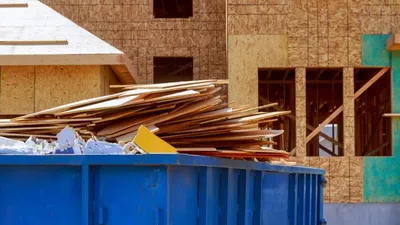
Renovating your home? Drywall, lumber, concrete, and roofing materials have different disposal rules than regular trash. Here's what to know.
Read more →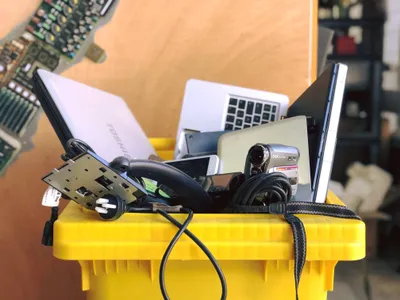
E-waste rules vary wildly by state. Some ban electronics from landfills entirely. Here's how to recycle old TVs, computers, and phones properly.
Read more →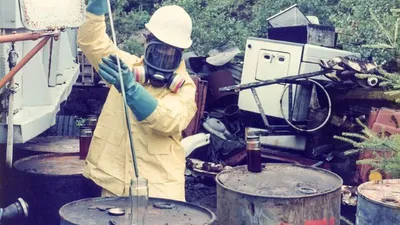
Most counties run free household hazardous waste collection events. Here's what qualifies, how to find your local event, and how to store stuff safely until then.
Read more →