Construction Debris: What You Can (and Can't) Take to the Dump
Renovating your home? Drywall, lumber, concrete, and roofing materials have different disposal rules than regular trash. Here's what to know.
Read more →Find landfills, transfer stations, and recycling centers across Vermont
3 waste disposal facilities
Vermont emphasizes waste reduction and recycling through its Act 148 Universal Recycling Law. The Vermont Department of Environmental Conservation oversees facilities, with most services provided by solid waste districts covering multiple towns.
Showing 1-3 of 3 locations
Newport · NEWSVT Landfill, 21 Landfill Lane, Newport, 5855, Vermont
View DetailsWilmington · Miller Rd, Wilmington, VT 05363
View DetailsVermont operates one of the nation's most progressive waste management systems under Act 148, the Universal Recycling Law passed unanimously by the Vermont Legislature in 2012. This landmark legislation bans disposal of recyclables, leaf and yard debris, clean wood, and food scraps from landfills, requiring these materials to be recycled or composted instead. The law was phased in over seven years from 2014 to 2020, with all provisions now fully in effect. Currently, only about 35 percent of Vermont's waste gets recycled, composted, or reused, but if everyone complied fully, the state could cut landfill waste nearly in half.
Under Act 148's unit-based pricing requirement, all Vermont towns must require waste collectors to charge for trash based on volume or weight rather than flat fees. This pay-as-you-throw approach means residents can save money by producing less trash and recycling more. Public space recycling requirements mandate that any trash container in public areas like streets, parks, and municipal buildings must be accompanied by a recycling container, with only bathrooms exempted.
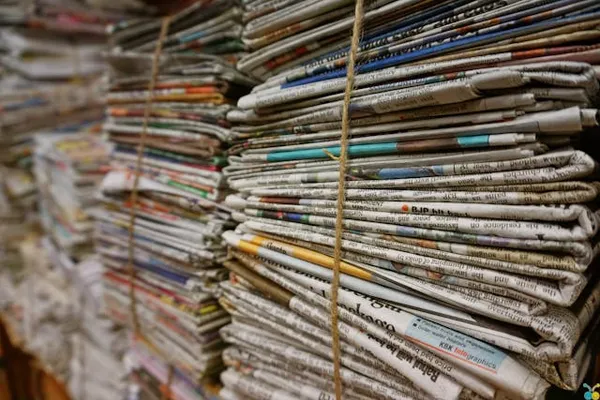
Vermont's solid waste districts coordinate disposal, recycling, and special waste programs across multiple towns. Districts operate transfer stations where residents bring pre-sorted materials including trash, recyclables, yard waste, and food scraps. Waste haulers and drop-off centers must offer recycling and food scrap collection services, ensuring residents have convenient options for proper disposal. The phased-in food scrap ban created demand for collection services and prompted investment in composting infrastructure.
The Vermont Department of Environmental Conservation published its 2025 Biennial Report on Solid Waste, along with the 2023 Vermont Waste Composition Study and Universal Recycling Status Reports. These documents track progress toward the state's waste reduction goals. When food scraps end up in landfills, they release methane gas that contributes to climate change, making diversion particularly important for environmental protection.
Vermont's bottle bill covers beer, soda, and other beverages with deposits of 5 or 15 cents, returned at redemption centers or participating stores. This program keeps millions of containers out of the waste stream annually. Before visiting any transfer station or disposal facility, contact your solid waste district to understand local requirements, fees, and the proper sorting procedures for your materials.
Learn how to properly dispose of common items.
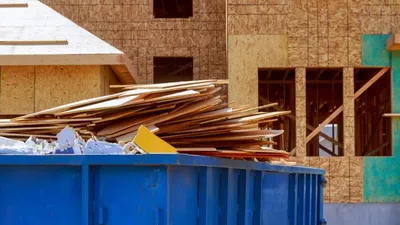
Renovating your home? Drywall, lumber, concrete, and roofing materials have different disposal rules than regular trash. Here's what to know.
Read more →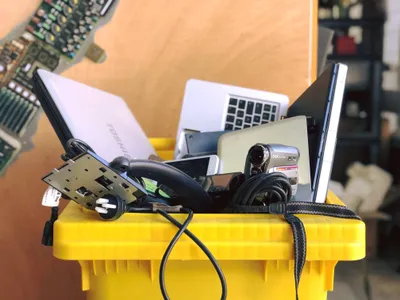
E-waste rules vary wildly by state. Some ban electronics from landfills entirely. Here's how to recycle old TVs, computers, and phones properly.
Read more →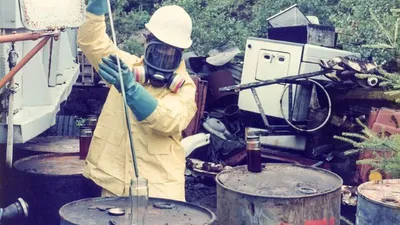
Most counties run free household hazardous waste collection events. Here's what qualifies, how to find your local event, and how to store stuff safely until then.
Read more →