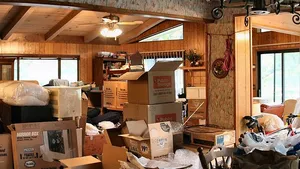
The presents are unwrapped. The guests are gone. Now you’re looking at a mountain of cardboard boxes, a shedding Christmas tree, and that string of lights that finally gave up.
After 25 years in waste management, I can tell you that post-holiday cleanup is the busiest time of year for our industry. Waste volume spikes 25-30% in the two weeks after Christmas. Different materials need different handling, and if you just stuff everything in the trash, you’re missing recycling opportunities (and might get a fine for that tree).
Christmas Tree Disposal
Real trees are one of the few items that most cities actively want you to get rid of quickly. Dead trees are a fire hazard, and they’re biodegradable, so there’s no reason to let them sit around.
Curbside Pickup
Most cities offer free Christmas tree pickup in early January. This is by far the easiest option.
Typical rules:
- Timing: First two weeks of January (check your city’s specific dates)
- Preparation: Remove ALL decorations—lights, tinsel, ornaments, and the tree stand
- No bags: Leave the tree bare, don’t wrap it in plastic
- Size limits: Some cities limit tree height (usually 6-8 feet)
- Placement: Same spot as regular trash pickup
Check your city’s website or call 311 for specific dates. Many cities post the schedule in December.
Trees with decorations still on them often get skipped. I've seen trees left on curbs for weeks because someone forgot to remove the tinsel. Take 10 minutes to strip it completely.
If you miss the official pickup window, you're stuck taking the tree to a transfer station yourself (and possibly paying a fee). Don't procrastinate—mark the pickup dates on your calendar before Christmas.
Tree Recycling Drop-Off
Many cities and counties set up temporary tree drop-off points in parking lots, parks, community centers, or fire stations. Trees get chipped into mulch.
Search “[your city] Christmas tree recycling” to find locations. Common spots include:
- Home Depot or Lowe’s parking lots
- City parks
- Fire stations
- Garden centers
What Happens to Recycled Trees
Recycled trees become mulch that’s often available free to residents. If you garden, you can usually pick up free mulch from your city in late January or February. Check your city’s parks department or public works website.
Some zoos and wildlife sanctuaries accept donated Christmas trees for animal enrichment. Elephants, goats, and other animals enjoy playing with and eating the trees. Call your local zoo in late December to ask.
Artificial Trees
Artificial trees can’t be recycled in most areas due to mixed materials (metal, plastic, PVC).
If it’s still in good shape: Donate to Goodwill, Salvation Army, or post on Facebook Marketplace. Many families can’t afford new trees.
If it’s broken or worn out: Regular trash. Some artificial trees are too big for curbside pickup—you may need to break it down or take it to a transfer station as bulky waste.
Dry real trees are extremely flammable. If your tree is shedding needles and looking brown, get it out of the house sooner rather than later. A dried-out tree can go from ignition to fully engulfed in under 30 seconds.
Cardboard and Packaging
The post-holiday cardboard tsunami is real. Most households generate 3-4 times their normal cardboard volume in the week after Christmas.
Cardboard Boxes
Good news: cardboard is one of the easiest materials to recycle and has real value.
How to handle it:
- Flatten all boxes. This saves space and helps recycling workers
- Remove tape and labels if easy. If not, don’t worry too much—facilities can handle some
- Keep dry. Wet cardboard can’t be recycled and contaminates batches
- Break down large boxes. Cut them to fit in or beside your bin
| Do This | Not This |
|---|---|
| Flatten boxes | Leave boxes assembled |
| Remove packing materials | Leave Styrofoam inside |
| Keep dry | Leave outside in rain |
| Stack neatly | Stuff in garbage bags |
If you have more cardboard than your recycling bin can handle, most cities allow you to put extra flattened cardboard beside the bin. Bundle it with string or stack it neatly. Check your local rules—some require it to be contained.
Pizza boxes: Grease-soaked cardboard goes in the trash. If only the top of the box is clean, tear it off and recycle that portion.
Styrofoam (Expanded Polystyrene)
Here’s the frustrating part: most curbside recycling programs don’t accept Styrofoam.
Putting Styrofoam in your recycling bin contaminates the load and can cause entire batches to be sent to landfill. Check your local rules—assume it's trash unless specifically confirmed otherwise.
Why can’t it be recycled? Technically it can, but it’s expensive to process, takes up enormous space relative to its weight, and most facilities don’t have the equipment.
Alternatives:
- Some shipping stores (UPS Store, FedEx Office) accept clean packing peanuts for reuse
- A few specialty recyclers accept clean white Styrofoam. Search “Styrofoam recycling [your city]”
- Some grocery stores have drop-off bins
For most people, Styrofoam goes in the trash. Break it into smaller pieces so it fits in bags without taking up your whole can.
Plastic Packaging
The plastic shell that held your new headphones? The blister packs around toys? Most of this is not recyclable through curbside programs.
General rules:
- Rigid plastic with recycling numbers (#1, #2, #5): Often recyclable—check local rules
- Numbers #3, #6, #7: Usually not recyclable
- Film plastic (stretchy, like bags): Not curbside recyclable, but grocery stores often have drop-off bins
- Mixed material packaging: Trash
When in doubt, throw it out. Contaminating recycling with non-recyclable plastic causes more harm than putting questionable items in the trash. Recycling facilities have to sort out contaminants, and heavily contaminated loads get landfilled entirely.
Broken Decorations
String Lights
Dead string lights are e-waste. The wire contains copper, which is recyclable, but you can’t put them in regular recycling bins because they tangle in sorting machinery.
Recycling options:
- Best Buy accepts string lights year-round
- Home Depot and Lowe’s often run holiday light recycling programs in January
- Some hardware stores participate in light recycling during the holiday season
- HHW collection events often accept them
Before throwing out string lights, check if they're actually dead. Often it's just one bad bulb. LED replacement bulbs are cheap, and fixing one strand is more economical (and environmentally friendly) than buying new.
If none of those options work, string lights go in the trash. Cut them into shorter lengths (2-3 feet) so they don’t tangle in collection equipment.
For more on electronics, see our e-waste recycling guide.
Broken Glass Ornaments
Glass ornaments go in the trash, not recycling. The glass is often painted, treated, or mixed with other materials and can’t be recycled with regular glass.
Wrap broken ornaments in newspaper or put them in a separate bag labeled "BROKEN GLASS." Sanitation workers handle hundreds of bags daily—unlabeled broken glass causes injuries.
Other Broken Decorations
Wreaths, garlands, plastic figurines, and other mixed-material decorations go in the trash. They can’t be recycled due to combinations of plastic, wire, fabric, and other materials.
Gift Wrap and Paper
Not all wrapping paper is created equal when it comes to recycling.
| Material | Recyclable? | Notes |
|---|---|---|
| Plain paper wrap | Usually yes | No plastic coating |
| Foil/metallic wrap | No | Trash |
| Tissue paper | Usually no | Fibers too short |
| Bows and ribbons | No | Save for reuse or trash |
| Gift bags | No | But save for reuse! |
The scrunch test: Crumple the wrapping paper into a ball. If it stays balled up, it’s probably recyclable paper. If it springs back or feels plasticky, it’s trash.
Save nice gift bags, bows, ribbons, and even lightly used tissue paper in a dedicated box. You'll use them next year and save money. I've been reusing the same set of gift bags for a decade.
The Week-by-Week Plan
Spreading the cleanup across a few weeks makes it manageable.
Week 1 (Dec 26 - Jan 1):
- Break down and flatten cardboard as presents are opened
- Separate recyclable packaging from trash
- Take the tree down but keep it inside if pickup isn’t until later
Week 2 (Jan 1-7):
- Put tree at curb on the designated pickup day
- Bundle any remaining cardboard and set out for recycling
- Gather broken lights and decorations
Week 3 (Jan 8-14):
- Final sweep for anything missed
- Take string lights to Best Buy or another e-waste drop-off
- Pick up free mulch if your city offers it
State-Specific Notes
California
California has strong tree recycling programs—most cities offer free pickup and produce tons of mulch available to residents. Styrofoam is banned from recycling programs in many jurisdictions. Check CalRecycle for local programs.
Texas
Tree programs vary by city. Texas major cities (Houston, Dallas, Austin, San Antonio) have good pickup programs. Check your city’s website for specific dates and rules. Rural areas may need to use drop-off sites.
Florida
Florida tree pickup varies by county. Most urban areas offer curbside collection in early January. Some counties extend pickup through mid-January due to late-season arrivals. Check the Florida DEP for county-specific information.
New York
NYC has curbside tree pickup through most of January. Trees can also be dropped at Mulchfest sites. Check NYC Parks Mulchfest for dates and locations. Upstate New York programs vary by municipality.
Georgia
My home state. Most metro Georgia counties offer tree pickup in the first two weeks of January. Many also have drop-off sites at fire stations and parks. Check Georgia facilities for locations.
Disposal Checklist
- Mark tree pickup dates on calendar before Christmas
- Remove all decorations from tree before disposal
- Flatten cardboard boxes as you open presents
- Keep Styrofoam out of recycling bins
- Take string lights to Best Buy or e-waste drop-off
- Wrap broken glass ornaments before trashing
Dealing With More Than Holiday Waste?
If you’re doing a post-holiday deep clean, you might also be tackling:
- Old electronics (that phone you finally replaced)
- Batteries (from all those new toys)
- Old furniture (making room for new items)
- Mattresses (if you got new bedding)
The Bottom Line
- Christmas tree: Curbside pickup or drop-off site in early January
- Cardboard: Flatten and recycle
- Styrofoam: Trash (unfortunately)
- String lights: E-waste recycling (Best Buy is the easiest)
- Broken ornaments: Trash, wrapped carefully in newspaper
- Gift wrap: Plain paper recycling, metallic/foil to trash
Handle it in the first two weeks of January and you won’t be that house with the dead tree on the curb in February.
Use our state directory or interactive map to find disposal facilities near you.
Take photos of your holiday setup before you take it down. Next year, you'll remember exactly how you arranged things without guesswork. Store the photos with your decorations (or in a notes app) for easy reference.