Construction Debris: What You Can (and Can't) Take to the Dump
Renovating your home? Drywall, lumber, concrete, and roofing materials have different disposal rules than regular trash. Here's what to know.
Read more →A basic county landfill just off Uinta Drive used by locals and commercial haulers from around Sweetwater County. Small-town feel - mostly trucks, trailers, and the occasional pickup from Green River residents. People come here when trash or construction debris has to be buried rather than hauled to a transfer station.
Drive up to a scalehouse where vehicles are weighed and tipping fees are assessed by weight, so expect to stop for a weigh-in. After checking in at the booth, follow the marked route up onto the tipping area; larger commercial loads line up behind smaller trucks on busy days. The site is mostly dirt and gravel with berms and open cells; there isn't much in the way of landscaping, just practical access roads and a working face where material is deposited. Plan on driving back over the scale before leaving - that second weigh pass is how they calculate what gets charged.
Learn how to properly dispose of common items.
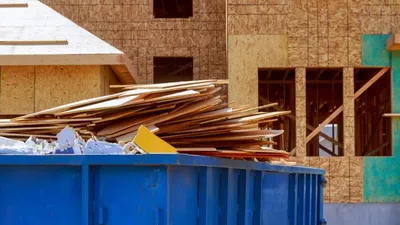
Renovating your home? Drywall, lumber, concrete, and roofing materials have different disposal rules than regular trash. Here's what to know.
Read more →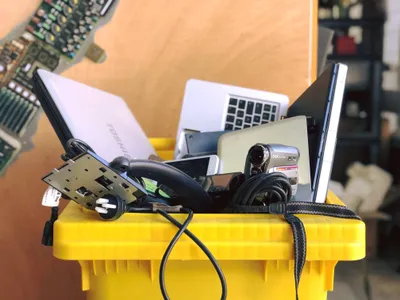
E-waste rules vary wildly by state. Some ban electronics from landfills entirely. Here's how to recycle old TVs, computers, and phones properly.
Read more →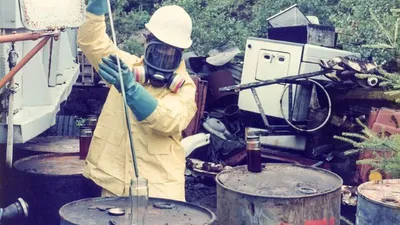
Most counties run free household hazardous waste collection events. Here's what qualifies, how to find your local event, and how to store stuff safely until then.
Read more →