Construction Debris: What You Can (and Can't) Take to the Dump
Renovating your home? Drywall, lumber, concrete, and roofing materials have different disposal rules than regular trash. Here's what to know.
Read more →Highway G Landfill & Waste is the county landfill just outside Eagle River where household and commercial trash ends up for burial. Locals, contractors and farm trucks use it when their pickup or trailer loads are too big for curbside pickup. Expect a working-site feel rather than anything polished.
Drive up County G and the landfill is set back from the road with a small entrance booth and a scale you cross on the way in and again on the way out-charges are generally by weight, so plan for that. There’s a distinct area for dropping loads and piles of compacted fill and rock; large trucks move around and you’ll have to follow the attendants’ directions for where to unload. The site is open-air, mostly gravel and dirt, and looks like a big graded hill of compacted material with equipment working on top. Winter months can change how they operate, with snow and mud making the drive and dumping procedures different than in summer.
Learn how to properly dispose of common items.
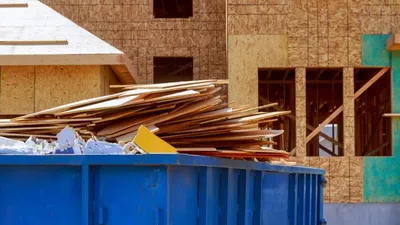
Renovating your home? Drywall, lumber, concrete, and roofing materials have different disposal rules than regular trash. Here's what to know.
Read more →
E-waste rules vary wildly by state. Some ban electronics from landfills entirely. Here's how to recycle old TVs, computers, and phones properly.
Read more →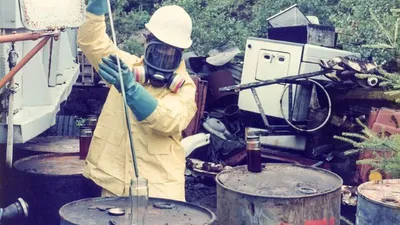
Most counties run free household hazardous waste collection events. Here's what qualifies, how to find your local event, and how to store stuff safely until then.
Read more →