Construction Debris: What You Can (and Can't) Take to the Dump
Renovating your home? Drywall, lumber, concrete, and roofing materials have different disposal rules than regular trash. Here's what to know.
Read more →Charleston Landfill on South Park Road is where locals and haulers take the trash that doesn't fit in curbside bins. It's a working landfill-big enough to see semi trucks and pickup loads coming and going. Most people drop off household junk or construction debris here, so expect a busy, practical place rather than anything polished.
Drive up to a small entrance booth and you'll usually stop on a scale; tipping fees are charged, often by weight or per load, so plan for a quick weigh-in and another stop on the way out. The active tipping area is a broad dirt pad with dozers and dump trucks moving material, and cones or temporary signs will route traffic to the drop point. There are areas for recycling or metals off to the side at many landfills like this, and the site can get backed up on weekend mornings and during spring cleanup. Be prepared for dust, gravel surfaces, and loud equipment noise while on site.
Learn how to properly dispose of common items.
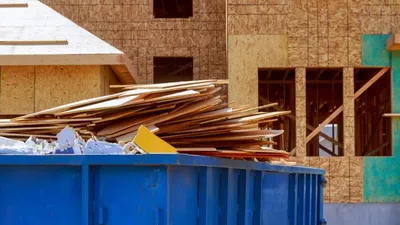
Renovating your home? Drywall, lumber, concrete, and roofing materials have different disposal rules than regular trash. Here's what to know.
Read more →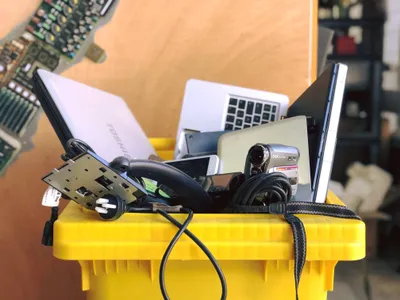
E-waste rules vary wildly by state. Some ban electronics from landfills entirely. Here's how to recycle old TVs, computers, and phones properly.
Read more →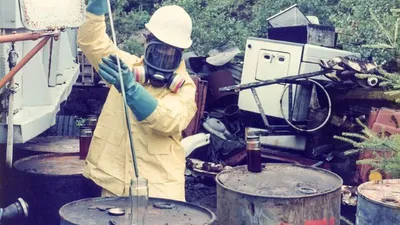
Most counties run free household hazardous waste collection events. Here's what qualifies, how to find your local event, and how to store stuff safely until then.
Read more →