Construction Debris: What You Can (and Can't) Take to the Dump
Renovating your home? Drywall, lumber, concrete, and roofing materials have different disposal rules than regular trash. Here's what to know.
Read more →Small-town disposal site used by Okanogan County residents for drop-offs and regular household cleanups. Neighbors bring everything from bagged trash to bulky items, and the place feels very much like a practical, working yard rather than a showroom. Expect a straightforward stop when clearing out basements, garages, or doing seasonal cleanups.
Pull in off Ferry Street and look for an entrance point where incoming vehicles line up; there’s usually a booth or gate area where loads are checked before driving in. The site itself is mostly open lots with rows of roll-offs or bins and piles for different material types; yard debris and recyclables are commonly separated at Washington sites, so come prepared. Trucks and trailers are a common sight and weekends can get busier, so plan for some waiting if it’s a spring cleanup day. Keep an eye out for signs that indicate where to unload or which pile to use - the layout is practical rather than polished.
Learn how to properly dispose of common items.
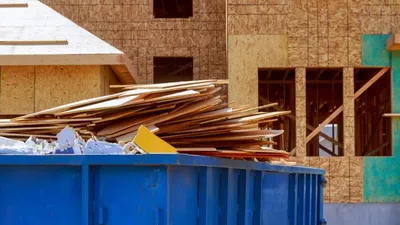
Renovating your home? Drywall, lumber, concrete, and roofing materials have different disposal rules than regular trash. Here's what to know.
Read more →
E-waste rules vary wildly by state. Some ban electronics from landfills entirely. Here's how to recycle old TVs, computers, and phones properly.
Read more →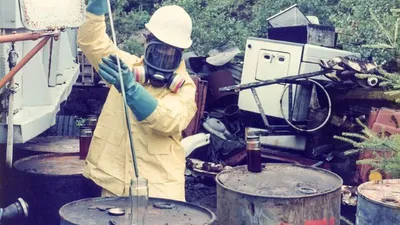
Most counties run free household hazardous waste collection events. Here's what qualifies, how to find your local event, and how to store stuff safely until then.
Read more →