Construction Debris: What You Can (and Can't) Take to the Dump
Renovating your home? Drywall, lumber, concrete, and roofing materials have different disposal rules than regular trash. Here's what to know.
Read more →Small, working landfill/recycling spot that locals use for household cleanouts and yard debris. People from Spanaway and surrounding Pierce County neighborhoods bring carloads and trailers here on weekends and after projects. It’s the sort of place that looks busy in spring and quiet midweek.
Drive up to an entrance booth and be prepared to stop for a scale; sites like this typically charge by weight so there’s often a weigh-in and weigh-out. Pavement gives way to concrete bays and open piles for different materials, and there will be signs or receptacles asking for separated recyclables and yard waste per Washington State rules. Pull your vehicle up to the appropriate drop-off point, dump what’s allowed, and then head back to the scale to finish. Expect some dust and a working-plant feel rather than anything tidy or landscaped.
Learn how to properly dispose of common items.
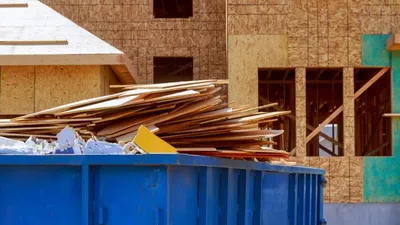
Renovating your home? Drywall, lumber, concrete, and roofing materials have different disposal rules than regular trash. Here's what to know.
Read more →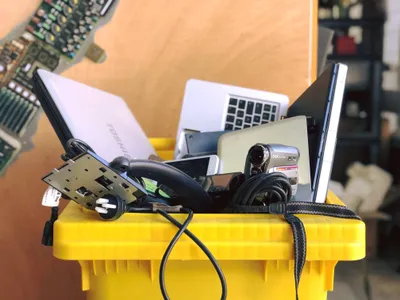
E-waste rules vary wildly by state. Some ban electronics from landfills entirely. Here's how to recycle old TVs, computers, and phones properly.
Read more →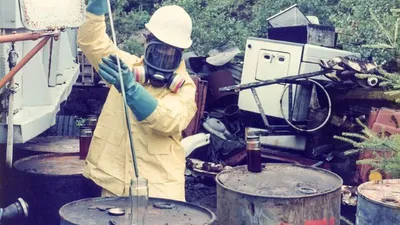
Most counties run free household hazardous waste collection events. Here's what qualifies, how to find your local event, and how to store stuff safely until then.
Read more →