Construction Debris: What You Can (and Can't) Take to the Dump
Renovating your home? Drywall, lumber, concrete, and roofing materials have different disposal rules than regular trash. Here's what to know.
Read more →19600 63rd Ave NE, Arlington, WA 98223
(425) 388-3425Small county recycling center in Arlington that locals use to drop off boxes, cans, and yard debris when the curbside bins won't cut it. Mostly used by homeowners and small-scale DIYers hauling loads from cleanouts, garden work, or packing up recyclables. It sits on a bit of open lot with the typical transfer-station feel - practical, a little dusty, and busy at peak times.
Drive up to an entrance booth and be ready to pull in for a quick check-there’s usually a scale and a short stop at the gate before getting to the sorting area. Recycling containers and tipping areas are grouped nearby; cardboard and mixed paper are often bundled or flattened, while metal, glass, and many plastics have their own bins. Yard waste is kept separate in a different pile or container, since Washington facilities generally ask that green waste be separated. Weekends and spring cleanups get the longest lines, so expect some waiting and people backing trailers in and out.
Learn how to properly dispose of common items.
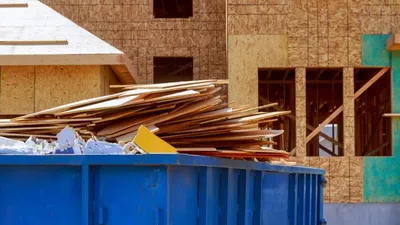
Renovating your home? Drywall, lumber, concrete, and roofing materials have different disposal rules than regular trash. Here's what to know.
Read more →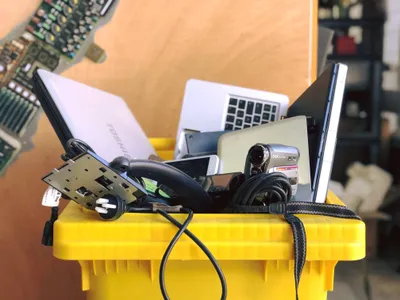
E-waste rules vary wildly by state. Some ban electronics from landfills entirely. Here's how to recycle old TVs, computers, and phones properly.
Read more →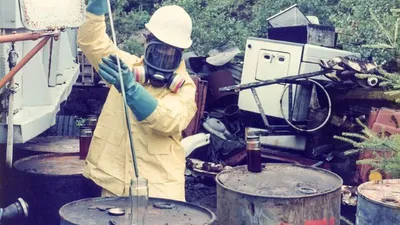
Most counties run free household hazardous waste collection events. Here's what qualifies, how to find your local event, and how to store stuff safely until then.
Read more →