Construction Debris: What You Can (and Can't) Take to the Dump
Renovating your home? Drywall, lumber, concrete, and roofing materials have different disposal rules than regular trash. Here's what to know.
Read more →Smallish industrial lot tucked off 8th Ave S, used by local residents and small haulers dropping off household and yard debris. Sounds ordinary from the street but the yard fills up fast on busy days, so this is where neighborhood cleanup runs usually end. It's in the industrial area of Seattle, easy to spot if headed toward the airport corridor.
Pull up to an entrance booth where vehicles queue before being let into the main yard; bring an idea of what load is going where. The site looks like a typical transfer yard: concrete pads, roll-off containers, and a few large piles or bays for different materials. There’s usually a scale somewhere on the property-many similar facilities charge by weight, so expect another stop at the scale before exiting. Recycling and green waste areas are separate at most Washington facilities, so having those streams sorted will save time.
Learn how to properly dispose of common items.
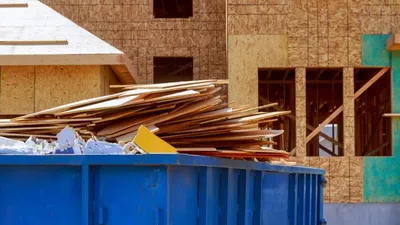
Renovating your home? Drywall, lumber, concrete, and roofing materials have different disposal rules than regular trash. Here's what to know.
Read more →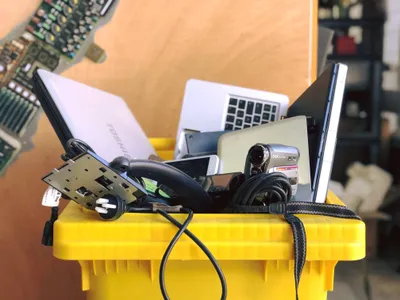
E-waste rules vary wildly by state. Some ban electronics from landfills entirely. Here's how to recycle old TVs, computers, and phones properly.
Read more →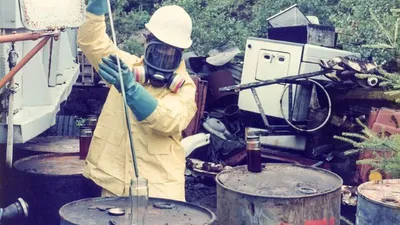
Most counties run free household hazardous waste collection events. Here's what qualifies, how to find your local event, and how to store stuff safely until then.
Read more →