Construction Debris: What You Can (and Can't) Take to the Dump
Renovating your home? Drywall, lumber, concrete, and roofing materials have different disposal rules than regular trash. Here's what to know.
Read more →Small, no-frills transfer station tucked just off Number 5 Mine Road that locals use when hauling household trash, yard debris, or small loads from projects. Trucks compact the material here and then haul it out to a landfill elsewhere, so it’s a handy short drive compared with going to a distant dump. Regular folks from town and nearby properties stop in between regular trash runs and spring cleanups.
There’s a single entrance with a manned booth and a drive-over scale nearby, so expect to slow down and have the truck weighed. Pull forward as directed, separate anything yard- or recycling-related according to Washington State rules, and then tip or drop off in the area the attendant points out. The site looks industrial-concrete pads, metal bins, and a few compactors-so plan on dust and the smell of compressed trash on windy days. Weekends and warm-weather cleanup times usually have a line, while weekday mornings tend to be quieter.
Learn how to properly dispose of common items.
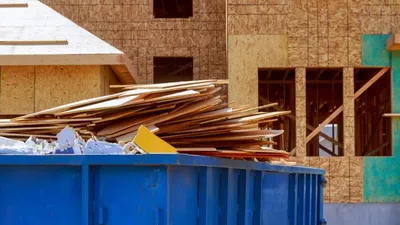
Renovating your home? Drywall, lumber, concrete, and roofing materials have different disposal rules than regular trash. Here's what to know.
Read more →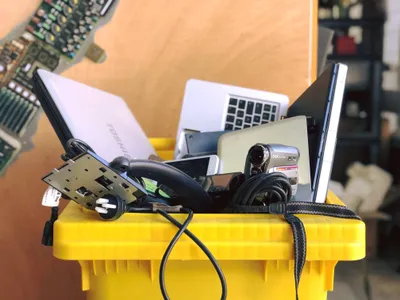
E-waste rules vary wildly by state. Some ban electronics from landfills entirely. Here's how to recycle old TVs, computers, and phones properly.
Read more →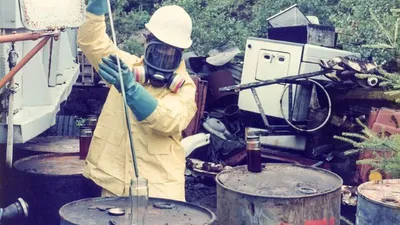
Most counties run free household hazardous waste collection events. Here's what qualifies, how to find your local event, and how to store stuff safely until then.
Read more →