Construction Debris: What You Can (and Can't) Take to the Dump
Renovating your home? Drywall, lumber, concrete, and roofing materials have different disposal rules than regular trash. Here's what to know.
Read more →Cheyne Landfill sits out on Cheyne Rd in Zillah and is where local homeowners, contractors and farmers bring trash that needs burying. Small pickups and larger commercial haulers use it, since it’s the final stop for non-recycled material in the area. Expect a working, no-frills facility rather than anything flashy.
Drive up to an entrance booth and be prepared to pull onto a scale-the site charges by weight, with separate pricing that typically distinguishes small residential drops from commercial loads. After weighing in, trucks are directed to open tipping areas where garbage is dumped and covered; the place looks like a broad dirt and compacted soil site with mounds of compacted material. Recycling and yard debris are commonly separated in Washington, so look for separate bins or areas off to one side and have those materials ready to leave out of the main load. Lines build up on weekends and during spring cleanup, so there can be a bit of a wait before getting onto the scale and back out.
Learn how to properly dispose of common items.
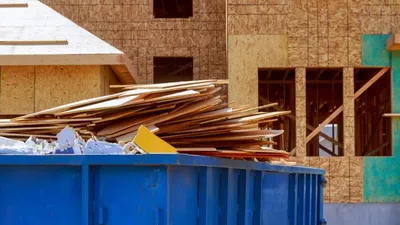
Renovating your home? Drywall, lumber, concrete, and roofing materials have different disposal rules than regular trash. Here's what to know.
Read more →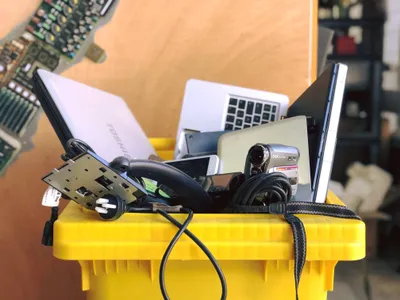
E-waste rules vary wildly by state. Some ban electronics from landfills entirely. Here's how to recycle old TVs, computers, and phones properly.
Read more →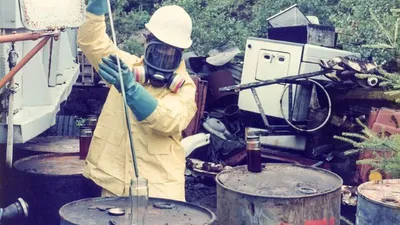
Most counties run free household hazardous waste collection events. Here's what qualifies, how to find your local event, and how to store stuff safely until then.
Read more →