Construction Debris: What You Can (and Can't) Take to the Dump
Renovating your home? Drywall, lumber, concrete, and roofing materials have different disposal rules than regular trash. Here's what to know.
Read more →A small transfer station on US 97A that locals use when hauling household trash, old furniture, or yard debris instead of driving to a distant landfill. Mostly residential traffic stops here to drop things off for compacting and onward transport; expect a working, utilitarian site rather than anything fancy.
A single entrance with an attendant booth near the drive; vehicles usually stop there first and then pull forward to where the bins and tipping areas are. There’s a scale in most transfer stations like this, so vehicles often pause again on the way out for weighing. The recycling and yard-waste options in Washington typically need to be separated, so see the nearby containers and signs to sort materials before dumping. Weekends and spring cleanup bring the longest lines, while midweek tends to be quieter.
Learn how to properly dispose of common items.
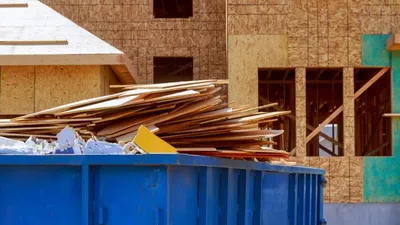
Renovating your home? Drywall, lumber, concrete, and roofing materials have different disposal rules than regular trash. Here's what to know.
Read more →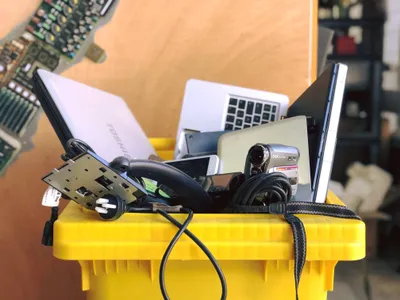
E-waste rules vary wildly by state. Some ban electronics from landfills entirely. Here's how to recycle old TVs, computers, and phones properly.
Read more →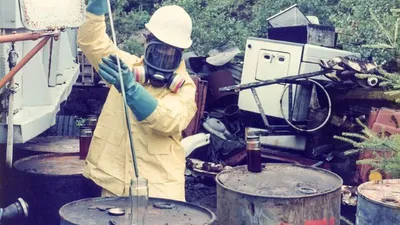
Most counties run free household hazardous waste collection events. Here's what qualifies, how to find your local event, and how to store stuff safely until then.
Read more →