Construction Debris: What You Can (and Can't) Take to the Dump
Renovating your home? Drywall, lumber, concrete, and roofing materials have different disposal rules than regular trash. Here's what to know.
Read more →Cedar Hills Regional Landfill is the large regional dump serving Maple Valley and surrounding areas. Locals, landscapers and haulers all use it when trash and bulky items need to be buried rather than recycled or composted. The site is the final stop for waste that can’t be diverted elsewhere.
The place is big - rolling hills and high berms of compacted material visible from the road. There’s an entrance booth and a set of scales; vehicles drive over the scale so the load can be weighed and again on the way out, since tipping fees are charged by weight. Commercial trucks are accepted alongside residential vehicles, and larger lanes and pull-through areas handle trailers and straight trucks. Expect separate areas or drop-offs for recyclables and yard debris around the main working zone, since Washington facilities often require separation of those materials.
Learn how to properly dispose of common items.
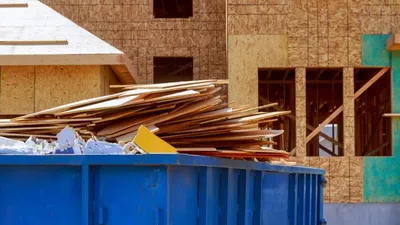
Renovating your home? Drywall, lumber, concrete, and roofing materials have different disposal rules than regular trash. Here's what to know.
Read more →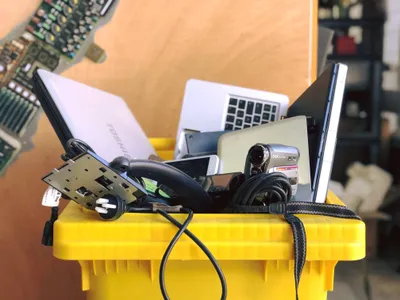
E-waste rules vary wildly by state. Some ban electronics from landfills entirely. Here's how to recycle old TVs, computers, and phones properly.
Read more →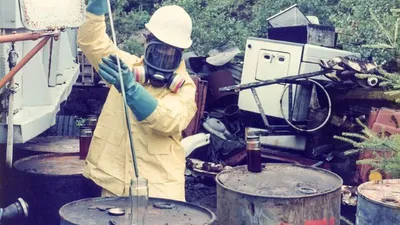
Most counties run free household hazardous waste collection events. Here's what qualifies, how to find your local event, and how to store stuff safely until then.
Read more →