Construction Debris: What You Can (and Can't) Take to the Dump
Renovating your home? Drywall, lumber, concrete, and roofing materials have different disposal rules than regular trash. Here's what to know.
Read more →CDSI Transfer & Recycling Center sits out at 9524 Rd 7 NE in Moses Lake and handles local recycling and transfer drop-offs. Neighbors and small haulers bring bags, boxes, yard trimmings and light construction loads here. In Washington it's common to keep yard waste and recyclables separated, so be ready to sort a bit before pulling in.
Drive up to a roadside entrance with a small booth and likely a scale nearby - many transfer centers use weight-based billing, so expect to stop again on the way out. The yard looks like a working industrial lot: piles, roll-off containers and open bays for different materials. Cardboard, paper, metal, glass and many plastics are commonly handled at places like this, with yard debris kept apart; some sites in the state also have occasional electronics or household hazardous waste programs run by counties. The surface is usually gravel or pavement and larger trucks move through, so take it slow when backing up.
Learn how to properly dispose of common items.
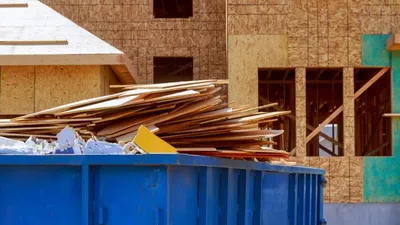
Renovating your home? Drywall, lumber, concrete, and roofing materials have different disposal rules than regular trash. Here's what to know.
Read more →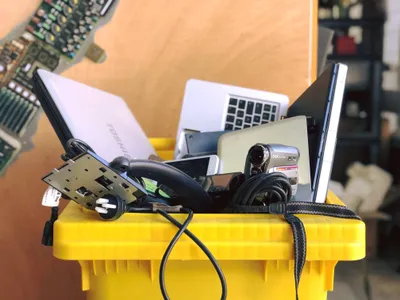
E-waste rules vary wildly by state. Some ban electronics from landfills entirely. Here's how to recycle old TVs, computers, and phones properly.
Read more →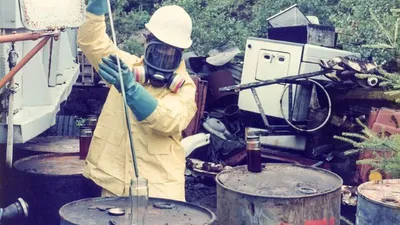
Most counties run free household hazardous waste collection events. Here's what qualifies, how to find your local event, and how to store stuff safely until then.
Read more →