Construction Debris: What You Can (and Can't) Take to the Dump
Renovating your home? Drywall, lumber, concrete, and roofing materials have different disposal rules than regular trash. Here's what to know.
Read more →King William County Landfill is the county landfill out on King William Road, used by local residents and commercial haulers who need a place to bury non-recoverable material. The site is the final stop for loads that can't be recycled or otherwise diverted, and it handles typical landfill-scale operations rather than small drop-off recycling only.
Drive up to a manned entrance/scale booth and be ready to stop for a weigh-in; loads are charged based on weight and there’s a tipping-fee structure rather than a flat per-item charge. Big semi and commercial trucks are handled here alongside pickups and trailers, so expect heavy equipment, gravel roads, and working faces where material gets buried. On the way out most vehicles stop at the scale again to get the outbound weight, so plan for that extra stop. Lines can build on weekends and during spring cleanup, and the site looks like a working landfill-dozers, staged piles, and compacted cells are common sights.
Learn how to properly dispose of common items.
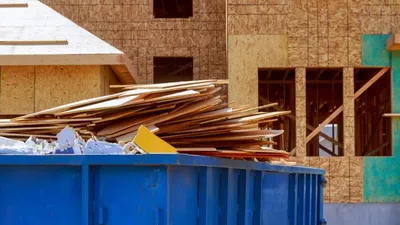
Renovating your home? Drywall, lumber, concrete, and roofing materials have different disposal rules than regular trash. Here's what to know.
Read more →
E-waste rules vary wildly by state. Some ban electronics from landfills entirely. Here's how to recycle old TVs, computers, and phones properly.
Read more →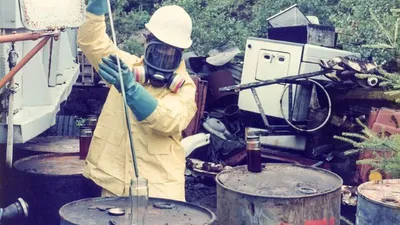
Most counties run free household hazardous waste collection events. Here's what qualifies, how to find your local event, and how to store stuff safely until then.
Read more →