Construction Debris: What You Can (and Can't) Take to the Dump
Renovating your home? Drywall, lumber, concrete, and roofing materials have different disposal rules than regular trash. Here's what to know.
Read more →A no-frills transfer station in Fairfax that locals use to drop off household trash instead of driving out to a distant landfill. Mostly used by homeowners, landscapers, and small contractors who need a quick place to offload compacted loads. It's busy on weekends and during seasonal cleanups, so expect some lineups at peak times.
Drive up to a gated entrance with an attendant booth where vehicles are directed to either a scale or a lineup lane; the scale is used to weigh loads so there’s usually a stop on the way in or out. The yard is industrial - lots of trucks, compactors, concrete tipping floors and high retaining walls; residential customers typically pull up to specific drop-off bays rather than interacting with long-haul equipment. Recycling or drop-off bins sit off to the side of the main tipping area, and traffic is managed with cones and staff directing vehicles when it gets busy. Bring a load that’s already sorted as much as possible since space at the bay can be tight and maneuvering a trailer or pickup takes some care.
Learn how to properly dispose of common items.
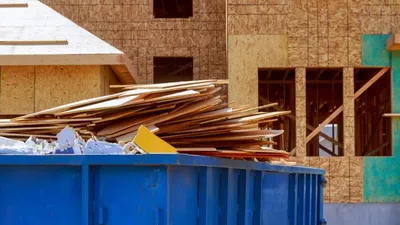
Renovating your home? Drywall, lumber, concrete, and roofing materials have different disposal rules than regular trash. Here's what to know.
Read more →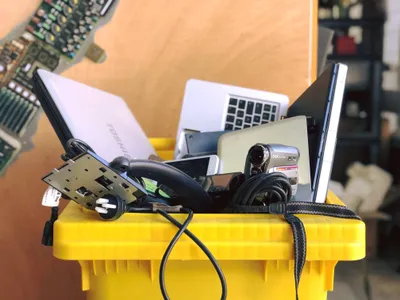
E-waste rules vary wildly by state. Some ban electronics from landfills entirely. Here's how to recycle old TVs, computers, and phones properly.
Read more →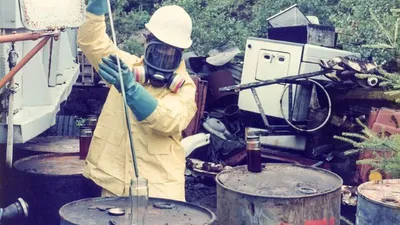
Most counties run free household hazardous waste collection events. Here's what qualifies, how to find your local event, and how to store stuff safely until then.
Read more →