Construction Debris: What You Can (and Can't) Take to the Dump
Renovating your home? Drywall, lumber, concrete, and roofing materials have different disposal rules than regular trash. Here's what to know.
Read more →Sprint Fort Bend County Landfill is the big county landfill out past the main Sugar Land neighborhoods, where trash actually gets buried rather than sorted. Locals and commercial haulers both use it - residential drop-offs and larger commercial loads head here when other options aren’t suitable. The site is what it sounds like: a large, working landfill rather than a small recycling drop-off.
A large entrance with a weigh scale is visible as you drive in; vehicles stop to be weighed and tipping fees are charged by weight, so expect to pass the scale coming and going. There’s an attendant booth near the gate where trucks report in before being directed to the dumping area. The working face and litter fences dominate the view once past the gate, and the drive in and out can be dusty and muddy after rain. Commercial trucks are common, so plan for some traffic and follow directions for where to pull up to dump.
Learn how to properly dispose of common items.
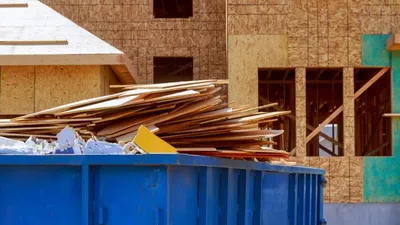
Renovating your home? Drywall, lumber, concrete, and roofing materials have different disposal rules than regular trash. Here's what to know.
Read more →
E-waste rules vary wildly by state. Some ban electronics from landfills entirely. Here's how to recycle old TVs, computers, and phones properly.
Read more →
Most counties run free household hazardous waste collection events. Here's what qualifies, how to find your local event, and how to store stuff safely until then.
Read more →