Construction Debris: What You Can (and Can't) Take to the Dump
Renovating your home? Drywall, lumber, concrete, and roofing materials have different disposal rules than regular trash. Here's what to know.
Read more →Southwest Transfer Station is the sort of place neighbors bring a pickup load or a trailer when landfill runs are too far. Located in south Dallas, it's used by residents and small haulers who want to drop off compacted trash rather than drive out of town. Expect a working, industrial yard rather than a tidy recycling center.
Pull up to a staffed entrance booth and get directed toward the weigh scale and unloading lane; many people stop at the scale both coming and going since loads are often weighed. The site is a concrete-and-asphalt lot with big roll-off bays and compactors visible from the drive; trucks rumble in and out and compacted loads sit in bigger containers before being shipped off. Residential traffic can back up on weekends or during spring cleanup, so lines at the entrance are common and movement through the yard can be slow. Look for unloading lanes where people back in to dump or hand off materials, and follow the flow of traffic rather than trying to cut across the yard.
Learn how to properly dispose of common items.
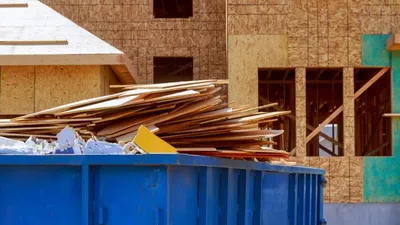
Renovating your home? Drywall, lumber, concrete, and roofing materials have different disposal rules than regular trash. Here's what to know.
Read more →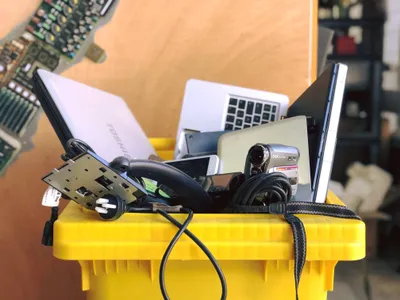
E-waste rules vary wildly by state. Some ban electronics from landfills entirely. Here's how to recycle old TVs, computers, and phones properly.
Read more →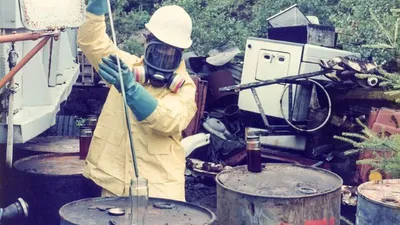
Most counties run free household hazardous waste collection events. Here's what qualifies, how to find your local event, and how to store stuff safely until then.
Read more →