Construction Debris: What You Can (and Can't) Take to the Dump
Renovating your home? Drywall, lumber, concrete, and roofing materials have different disposal rules than regular trash. Here's what to know.
Read more →Conroe Landfill is the big burial-style landfill out on Loop 336 East that handles household and larger loads alike. Neighbors, haulers and local contractors use it when trash and construction debris need a final resting place. It’s the kind of facility where trucks and trailers are common and the site feels industrial rather than tidy.
Drive in and approach an entrance booth and scale - most landfills weigh vehicles and use a tipping-fee structure, so expect to stop more than once. Traffic tends to be a mix of pickups, dump trucks and trailers, and the active tipping area is a wide, dirt-and-gravel pad rather than a paved transfer station. After scaling, pull up to the unloading face or concrete pad called out by attendants; there’s usually a clear route for entry and exit but backing space can be tight if it’s busy. The overall site is large and layered with finished mounds and active cells, so sights range from neat rows of capped areas to freshly worked spots where trucks are dumping.
Learn how to properly dispose of common items.
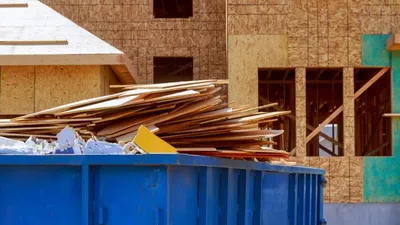
Renovating your home? Drywall, lumber, concrete, and roofing materials have different disposal rules than regular trash. Here's what to know.
Read more →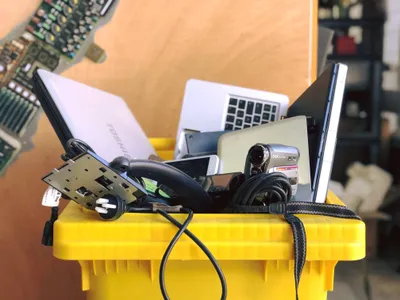
E-waste rules vary wildly by state. Some ban electronics from landfills entirely. Here's how to recycle old TVs, computers, and phones properly.
Read more →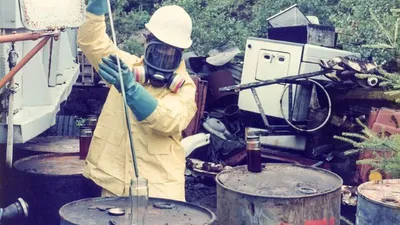
Most counties run free household hazardous waste collection events. Here's what qualifies, how to find your local event, and how to store stuff safely until then.
Read more →