Construction Debris: What You Can (and Can't) Take to the Dump
Renovating your home? Drywall, lumber, concrete, and roofing materials have different disposal rules than regular trash. Here's what to know.
Read more →This is the State of TN waste facility in downtown Nashville, used by residents and small local haulers who need to drop off household and community refuse. The office is in a multi-story building on Rosa L Parks Ave, but the facility itself handles routine local disposal needs and related transactions. People from nearby neighborhoods come here for standard disposal services rather than commercial-scale drop-offs.
Expect a practical, working site rather than anything flashy; there will likely be a control/entry point where vehicles stop briefly to state their purpose and get directed. Vehicles usually pull up to an intake booth or check-in lane before moving to the unloading area, and many users go over a scale on the way in or out since charges are often based on weight. The grounds are functional - paved drives, marked lanes, and piles or containers for different streams - and weekend traffic can get noticeably heavier around seasonal cleanups. Bring documents or ID that identify residency or vehicle info, as most local facilities ask for that before accepting materials.
Learn how to properly dispose of common items.
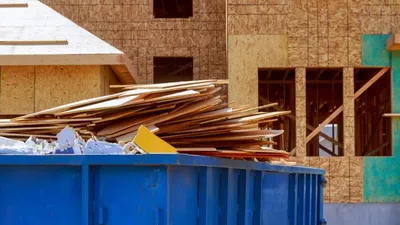
Renovating your home? Drywall, lumber, concrete, and roofing materials have different disposal rules than regular trash. Here's what to know.
Read more →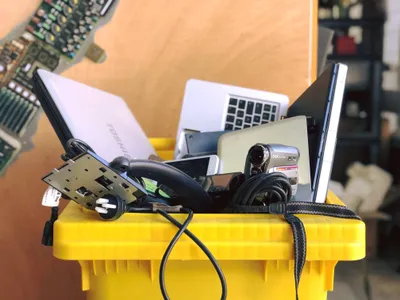
E-waste rules vary wildly by state. Some ban electronics from landfills entirely. Here's how to recycle old TVs, computers, and phones properly.
Read more →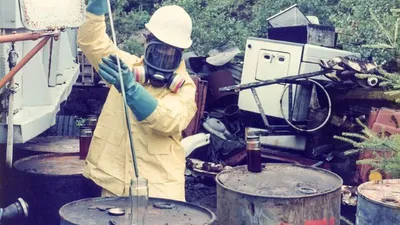
Most counties run free household hazardous waste collection events. Here's what qualifies, how to find your local event, and how to store stuff safely until then.
Read more →