Construction Debris: What You Can (and Can't) Take to the Dump
Renovating your home? Drywall, lumber, concrete, and roofing materials have different disposal rules than regular trash. Here's what to know.
Read more →Small county transfer station just off SC‑34 in Newberry used by locals who would rather drop a load here than drive all the way to a landfill. Mostly residential traffic - people bringing yard debris, bagged trash and the odd bulky item on weekends or after big cleanups. The place is practical and no‑frills, not a fancy facility but it gets the job done.
Drive up to a single entrance where a small booth and scale are nearby; vehicles usually pull up to the booth first then move on to the compaction area. Loads are compacted on site and then hauled out to a landfill, so vehicles generally don’t spend long at the tipping area unless there’s a weekend line. Look for rows of concrete pads or open pits where people unload; there’s often a separate spot for recyclables a short walk from the main unloading area. Weekends and spring cleanup times bring the longest waits, so the line and traffic are the main things to plan for.
Learn how to properly dispose of common items.
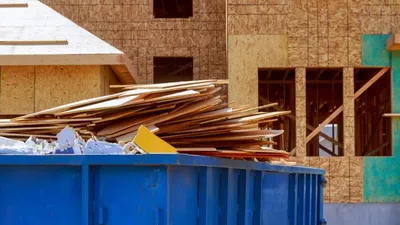
Renovating your home? Drywall, lumber, concrete, and roofing materials have different disposal rules than regular trash. Here's what to know.
Read more →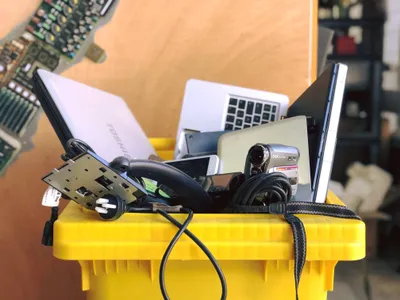
E-waste rules vary wildly by state. Some ban electronics from landfills entirely. Here's how to recycle old TVs, computers, and phones properly.
Read more →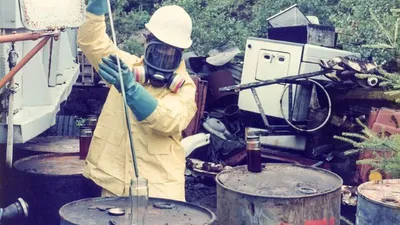
Most counties run free household hazardous waste collection events. Here's what qualifies, how to find your local event, and how to store stuff safely until then.
Read more →