Construction Debris: What You Can (and Can't) Take to the Dump
Renovating your home? Drywall, lumber, concrete, and roofing materials have different disposal rules than regular trash. Here's what to know.
Read more →Small transfer station off Ellsworth Drive in Montrose where local residents and small haulers drop off compacted loads that get trucked out to larger landfills. It’s the kind of place people use when they don’t want to drive all the way to a regional landfill.
A modest yard with an entrance booth and a traffic flow that leads toward a scale and the compactor area; plan to pull up to the booth first and then follow signs or attendants toward the tipping area. Loads are typically compacted on site and then loaded into larger trucks for transport elsewhere, so expect to see roll-off containers, compactors and tractor-trailers. The site looks industrial-gravel or paved areas, a couple of concrete bays, and piles of materials that change depending on what’s been brought in that day. Weekends and spring cleanups get noticeably busier, so lines can form at the entrance.
Learn how to properly dispose of common items.
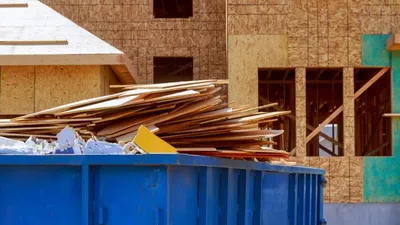
Renovating your home? Drywall, lumber, concrete, and roofing materials have different disposal rules than regular trash. Here's what to know.
Read more →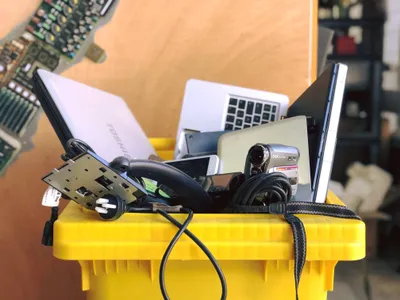
E-waste rules vary wildly by state. Some ban electronics from landfills entirely. Here's how to recycle old TVs, computers, and phones properly.
Read more →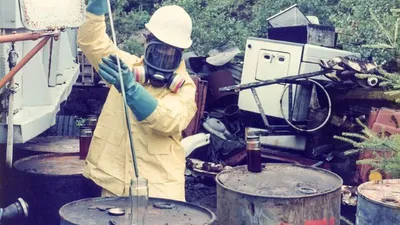
Most counties run free household hazardous waste collection events. Here's what qualifies, how to find your local event, and how to store stuff safely until then.
Read more →