Construction Debris: What You Can (and Can't) Take to the Dump
Renovating your home? Drywall, lumber, concrete, and roofing materials have different disposal rules than regular trash. Here's what to know.
Read more →Small county landfill on the north side of Holdenville that locals and contractors use to bury household trash and larger hauls. It’s the kind of place farmers, city crews, and pickup-load folks visit when regular curbside won’t do. Expect a straightforward, working-site vibe rather than anything polished.
Drive up to an entrance booth and usually stop to check in and get directed toward the scale; tipping fees are charged by weight at most landfills in the area. Pull forward onto the scale, then head out to the working face where trucks and trailers tip and compactors operate; there are rows of burial cells and capped sections visible from the access road. The site is open, dusty in dry months and muddy after storms, with heavy equipment moving about so watch for loaders and trucks. Recycling or drop-off bins, if present, are often positioned near the entrance or just past the booth.
Learn how to properly dispose of common items.
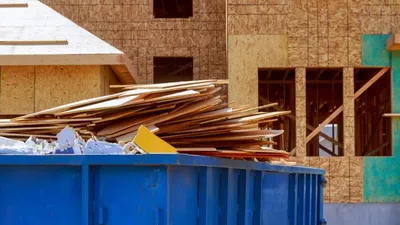
Renovating your home? Drywall, lumber, concrete, and roofing materials have different disposal rules than regular trash. Here's what to know.
Read more →
E-waste rules vary wildly by state. Some ban electronics from landfills entirely. Here's how to recycle old TVs, computers, and phones properly.
Read more →
Most counties run free household hazardous waste collection events. Here's what qualifies, how to find your local event, and how to store stuff safely until then.
Read more →