Construction Debris: What You Can (and Can't) Take to the Dump
Renovating your home? Drywall, lumber, concrete, and roofing materials have different disposal rules than regular trash. Here's what to know.
Read more →Henryetta Transfer Station is the local drop-off where household and neighborhood loads get compacted and sent on to a landfill elsewhere. Neighbors hauling brush, old furniture, or a truckload from a cleanup use it because it’s closer than driving all the way to a distant landfill. The facility sits just off E Bollinger in Henryetta and handles the kinds of everyday and storm-related debris common around here.
A modest entrance with a small booth and open lanes leads onto paved drives and concrete tipping areas; trucks and pickups share the same access so watch for backing vehicles. Large compactors or roll-off trucks are visible on site and piles of material are common, especially after storms. Drivers typically pull into a lane, unload at a bay or pad, then move on to the exit - the layout feels more industrial than tidy. Weekends and spring cleanup times can get busy, and tornado cleanup will increase traffic and debris volumes.
Learn how to properly dispose of common items.
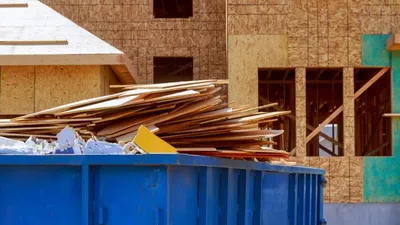
Renovating your home? Drywall, lumber, concrete, and roofing materials have different disposal rules than regular trash. Here's what to know.
Read more →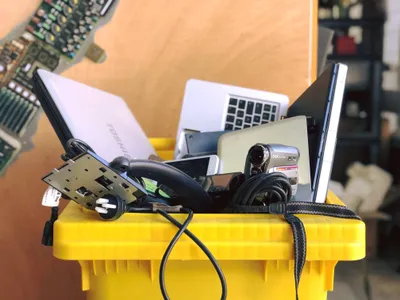
E-waste rules vary wildly by state. Some ban electronics from landfills entirely. Here's how to recycle old TVs, computers, and phones properly.
Read more →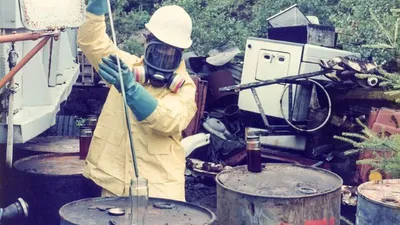
Most counties run free household hazardous waste collection events. Here's what qualifies, how to find your local event, and how to store stuff safely until then.
Read more →