Construction Debris: What You Can (and Can't) Take to the Dump
Renovating your home? Drywall, lumber, concrete, and roofing materials have different disposal rules than regular trash. Here's what to know.
Read more →Center Point Landfill is the big burial site just south of Prague where household and construction trash ends up. Locals, haulers and contractors all use it when they need to get rid of bulky or heavy loads. The place looks like a working pit rather than a tidy transfer station-bring the right expectations.
Drive up the entrance road and there’s usually a scale and a small booth to check in; landfills of this type charge tipping fees by weight, so expect to stop twice-in and out. The working face is a mix of compacted dirt, heavy equipment and piles that get covered regularly, so it’s dusty and uneven. Recycling or drop-off bins, if available, tend to sit to one side of the entrance area, and the turnaround areas are sized for trucks and trailers more than for compact cars. After big storms or tornadoes, traffic and storm-debris loads can make lines longer than normal.
Learn how to properly dispose of common items.
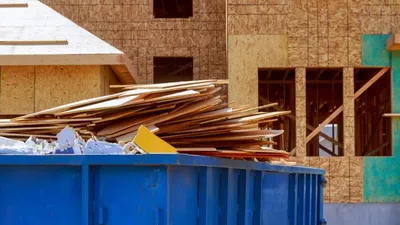
Renovating your home? Drywall, lumber, concrete, and roofing materials have different disposal rules than regular trash. Here's what to know.
Read more →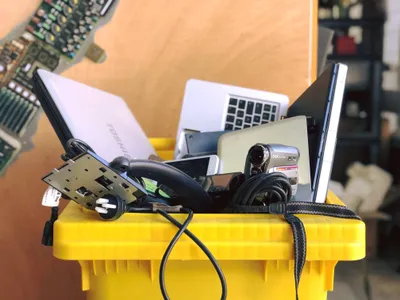
E-waste rules vary wildly by state. Some ban electronics from landfills entirely. Here's how to recycle old TVs, computers, and phones properly.
Read more →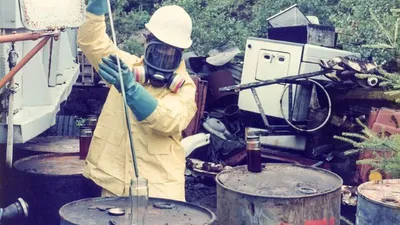
Most counties run free household hazardous waste collection events. Here's what qualifies, how to find your local event, and how to store stuff safely until then.
Read more →