Construction Debris: What You Can (and Can't) Take to the Dump
Renovating your home? Drywall, lumber, concrete, and roofing materials have different disposal rules than regular trash. Here's what to know.
Read more →Stony Hollow Landfill is Dayton’s primary burial site for municipal trash and commercial loads that need final disposal. Locals, roofers, landscapers and the occasional neighbor with a big cleanout use it when curbside options won't do. It’s a working landfill on South Gettysburg Avenue, not a drop-off for every kind of material but built for large, heavy loads.
Drive up to a small entrance booth where attendants will direct traffic toward the scales; this place charges by weight, so expect to stop on the scale both coming in and going out. There’s a clear route from the scale to the tipping area and then back out, with the landfill face and heavy equipment clearly visible as you approach. The site handles large commercial trucks as well as smaller vehicles, and tipping fees are structured around vehicle type and/or weight rather than a flat per-item charge. Lines build up on weekends and during spring cleanup, so patience and space to queue are useful.
Learn how to properly dispose of common items.
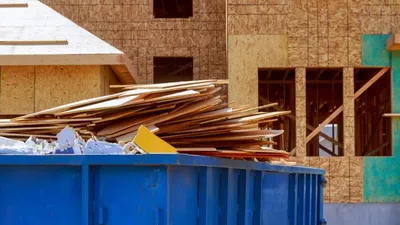
Renovating your home? Drywall, lumber, concrete, and roofing materials have different disposal rules than regular trash. Here's what to know.
Read more →
E-waste rules vary wildly by state. Some ban electronics from landfills entirely. Here's how to recycle old TVs, computers, and phones properly.
Read more →
Most counties run free household hazardous waste collection events. Here's what qualifies, how to find your local event, and how to store stuff safely until then.
Read more →