Construction Debris: What You Can (and Can't) Take to the Dump
Renovating your home? Drywall, lumber, concrete, and roofing materials have different disposal rules than regular trash. Here's what to know.
Read more →A working county landfill on the east side of Findlay where trucks and pickup loads end up for burial. Neighbors, landscapers and haulers all use the place; it's not flashy, just a big operating dump with mounded cells and gravel roads. Expect a practical, no-frills environment rather than anything polished.
Drive up to a small gatehouse/scale area-vehicles stop to be weighed so there’s usually a brief pause both coming in and going out. The yard is mostly open fields with tall dirt mounds and compacted roads; there are piles of cover soil and equipment moving around. Loads are tipped in specific spots and hauled away by loaders or compactors, so don’t be surprised by dust or heavy machinery nearby. Tipping fees are charged by weight with different rates often applied to residential versus commercial loads, and commercial customers commonly use the site.
Learn how to properly dispose of common items.
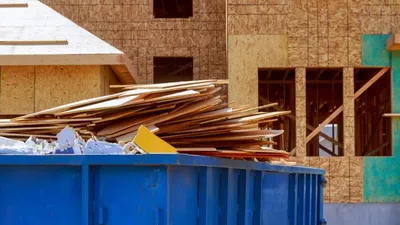
Renovating your home? Drywall, lumber, concrete, and roofing materials have different disposal rules than regular trash. Here's what to know.
Read more →
E-waste rules vary wildly by state. Some ban electronics from landfills entirely. Here's how to recycle old TVs, computers, and phones properly.
Read more →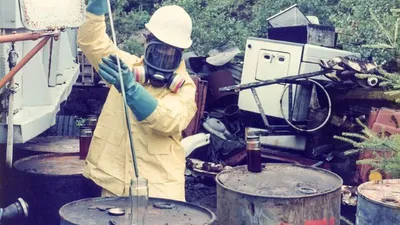
Most counties run free household hazardous waste collection events. Here's what qualifies, how to find your local event, and how to store stuff safely until then.
Read more →