Construction Debris: What You Can (and Can't) Take to the Dump
Renovating your home? Drywall, lumber, concrete, and roofing materials have different disposal rules than regular trash. Here's what to know.
Read more →A no-frills transfer station just off Landfill Road in Whiteville that locals use when a full pickup load or a carload of junk needs to go somewhere easier than a distant landfill. Neighbors drop off household bulk and bagged trash here, and contractors swing through between jobs. It’s the sort of place you visit when a regular curbside pickup won’t cut it.
Drive up to a smaller entrance booth and be ready to pull forward; most transfer stations have a scale and you usually pass it twice-once in and again leaving-because loads are charged by weight. The site itself is mostly concrete pads and large compacting equipment with an area for temporary tipping before trucks haul everything off. Recycling or drop-off bins tend to be grouped to the side of the main tip area; expect to walk a short distance from where a vehicle stops to where material is dumped. Weekends and spring cleanup days get noticeably busier, with lines of trucks and trailers waiting to get in.
Learn how to properly dispose of common items.
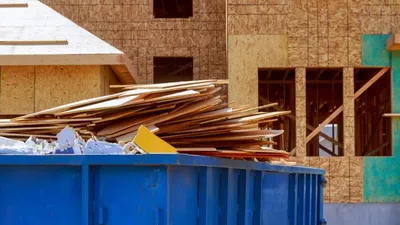
Renovating your home? Drywall, lumber, concrete, and roofing materials have different disposal rules than regular trash. Here's what to know.
Read more →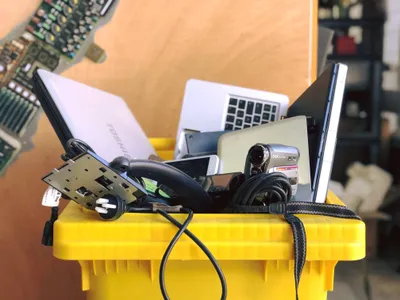
E-waste rules vary wildly by state. Some ban electronics from landfills entirely. Here's how to recycle old TVs, computers, and phones properly.
Read more →
Most counties run free household hazardous waste collection events. Here's what qualifies, how to find your local event, and how to store stuff safely until then.
Read more →