Construction Debris: What You Can (and Can't) Take to the Dump
Renovating your home? Drywall, lumber, concrete, and roofing materials have different disposal rules than regular trash. Here's what to know.
Read more →A small county landfill tucked off Old Hendersonville Hwy in Pisgah Forest, used by local residents and commercial haulers alike. It’s the place where trash gets buried rather than recycled, so expect trucks of all sizes in and out during busy days.
Approach the site and slow down for a weigh scale and an entrance booth; tipping fees are typically charged by weight with a residential minimum and commercial accounts usually accepted. After the scale, drive along gravel lanes to the active dumping area-large earth berms and heavy equipment are common sights. Loads are unloaded at the working face and then covered; the site looks like a working quarriescape more than a tidy transfer station. Weekends and spring-cleanup periods tend to back traffic up, so plan extra time.
Learn how to properly dispose of common items.
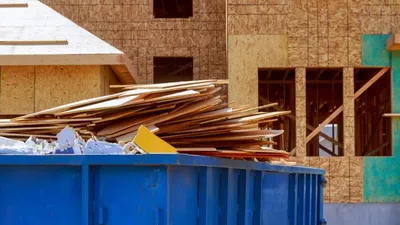
Renovating your home? Drywall, lumber, concrete, and roofing materials have different disposal rules than regular trash. Here's what to know.
Read more →
E-waste rules vary wildly by state. Some ban electronics from landfills entirely. Here's how to recycle old TVs, computers, and phones properly.
Read more →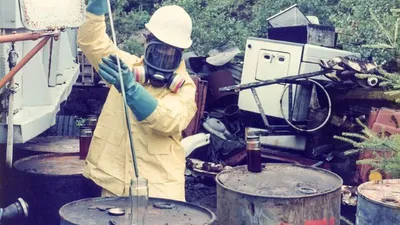
Most counties run free household hazardous waste collection events. Here's what qualifies, how to find your local event, and how to store stuff safely until then.
Read more →