Construction Debris: What You Can (and Can't) Take to the Dump
Renovating your home? Drywall, lumber, concrete, and roofing materials have different disposal rules than regular trash. Here's what to know.
Read more →GFL Weldon Transfer Station is the local place where household and small commercial loads get compacted and sent off to a landfill. People from Halifax and the surrounding counties use it when hauling piles that are too big or inconvenient to take to a distant landfill. It sits right on US‑301 and looks like an industrial yard rather than a tidy recycling center.
Drive up to a gated entrance with an attendant booth and a scale nearby; most drivers stop at the booth first and then cross the scale. The site is a working yard with large roll-off containers and compactors, so expect trucks and heavy equipment moving around. Pull up where directed and have the load ready to be dumped - there’s usually a clear drive-to area for dropping materials before compaction. North Carolina has separate rules for electronics and hazardous items, so those won’t be handled like regular household trash.
Learn how to properly dispose of common items.
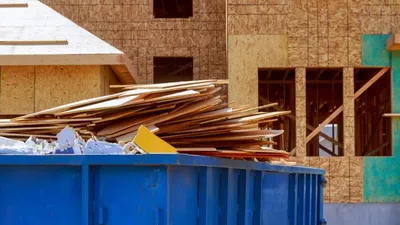
Renovating your home? Drywall, lumber, concrete, and roofing materials have different disposal rules than regular trash. Here's what to know.
Read more →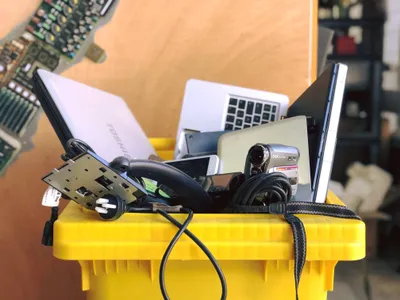
E-waste rules vary wildly by state. Some ban electronics from landfills entirely. Here's how to recycle old TVs, computers, and phones properly.
Read more →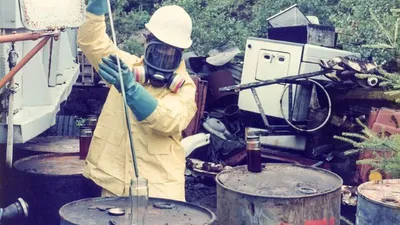
Most counties run free household hazardous waste collection events. Here's what qualifies, how to find your local event, and how to store stuff safely until then.
Read more →