Construction Debris: What You Can (and Can't) Take to the Dump
Renovating your home? Drywall, lumber, concrete, and roofing materials have different disposal rules than regular trash. Here's what to know.
Read more →Small, practical recycling center on US-70 that folks from New Bern drive to when their curbside bins overflow or they’ve got a truckload to unload. Neighbors, contractors and weekend cleaners use it to keep cardboard, cans and yard debris out of the trash. It’s the kind of place that’s busy on Saturdays and quiet midweek.
Pull off US-70 into a fairly open lot; there’s usually an entrance booth and a scale for larger loads, so expect to stop twice if there’s a weighing point. Recycling bins and roll-offs are set out for common materials like paper, cardboard, metal, glass and many plastics, with separate areas for bulky items and yard waste. North Carolina has rules for electronics and household hazardous material, so those are handled differently than the regular bins and may require a special drop-off or county program. Plan for some queueing during spring cleanups and have items sorted before backing up to the proper container.
Learn how to properly dispose of common items.
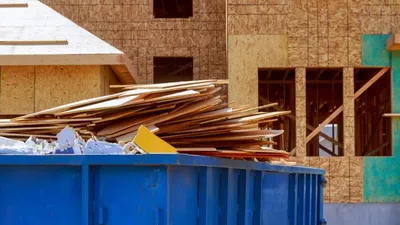
Renovating your home? Drywall, lumber, concrete, and roofing materials have different disposal rules than regular trash. Here's what to know.
Read more →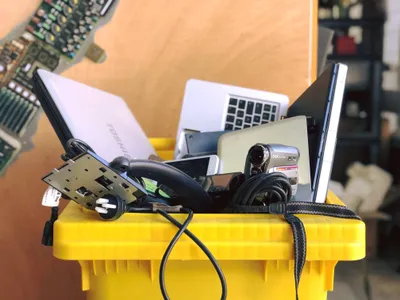
E-waste rules vary wildly by state. Some ban electronics from landfills entirely. Here's how to recycle old TVs, computers, and phones properly.
Read more →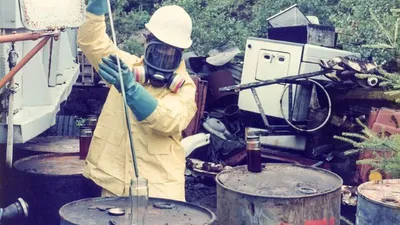
Most counties run free household hazardous waste collection events. Here's what qualifies, how to find your local event, and how to store stuff safely until then.
Read more →