Construction Debris: What You Can (and Can't) Take to the Dump
Renovating your home? Drywall, lumber, concrete, and roofing materials have different disposal rules than regular trash. Here's what to know.
Read more →Small-city transfer station tucked on Yonkers Ave., used mostly by local residents and small haulers who don't want to drive out to a distant landfill. It's the kind of place people swing by with carloads or small trailers rather than big commercial rigs. Expect a working, no-frills spot where trash is compacted and then hauled off-site.
Drive up to a staffed entrance booth and be prepared to slow down; there’s typically a scale so vehicles are weighed on the way in or out. Vehicles pull forward into lanes that lead to the tipping area, where trash is dumped into a pit and large loaders compact it. The yard looks industrial - concrete pads, bays, and heavy equipment moving material around - with recycling or drop-off bins usually set to one side of the main area. Weekends and spring-cleanup times can get backed up, so lines are common then.
Learn how to properly dispose of common items.
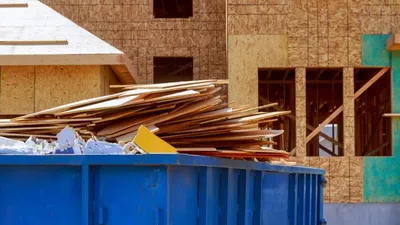
Renovating your home? Drywall, lumber, concrete, and roofing materials have different disposal rules than regular trash. Here's what to know.
Read more →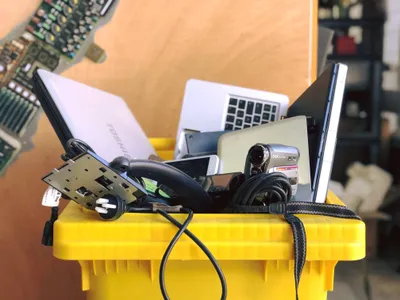
E-waste rules vary wildly by state. Some ban electronics from landfills entirely. Here's how to recycle old TVs, computers, and phones properly.
Read more →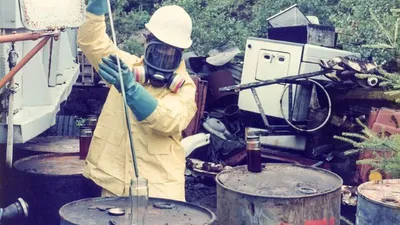
Most counties run free household hazardous waste collection events. Here's what qualifies, how to find your local event, and how to store stuff safely until then.
Read more →