Construction Debris: What You Can (and Can't) Take to the Dump
Renovating your home? Drywall, lumber, concrete, and roofing materials have different disposal rules than regular trash. Here's what to know.
Read more →Southhold Landfill in Cutchogue is a regional landfill where household and larger municipal loads end up for burial. Locals, contractors, and haulers use this site when transfer stations or curbside options aren't suitable. It handles the final disposal of solid waste and commonly accepts commercial deliveries like other landfills in the state.
Drive up to an entrance booth and be prepared to slow for a scale; landfills charge by weight so vehicles usually stop twice - coming in and going out. The site is open, with large areas of compacted earth and lined cells; expect trucks, roll-offs, and a mix of residential vehicles. There will be staff at the gate to direct traffic, and commercial trucks typically line up in separate lanes from smaller vehicles. Loads are tipped at a working face or transfer area and then covered or compacted as part of regular operations.
Learn how to properly dispose of common items.
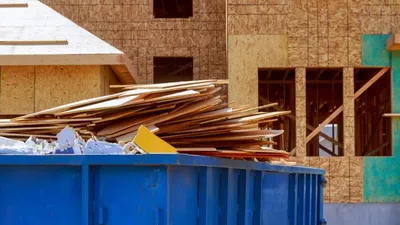
Renovating your home? Drywall, lumber, concrete, and roofing materials have different disposal rules than regular trash. Here's what to know.
Read more →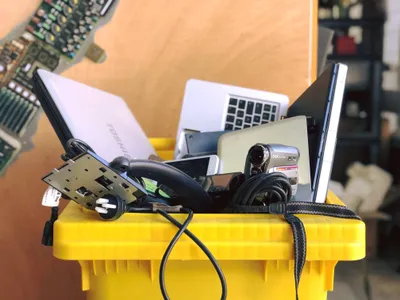
E-waste rules vary wildly by state. Some ban electronics from landfills entirely. Here's how to recycle old TVs, computers, and phones properly.
Read more →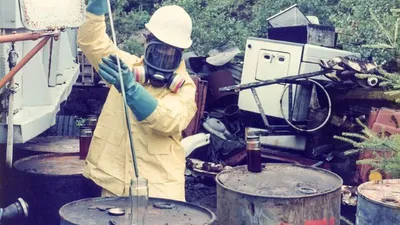
Most counties run free household hazardous waste collection events. Here's what qualifies, how to find your local event, and how to store stuff safely until then.
Read more →