Construction Debris: What You Can (and Can't) Take to the Dump
Renovating your home? Drywall, lumber, concrete, and roofing materials have different disposal rules than regular trash. Here's what to know.
Read more →Small-city recycling center tucked into a busy Queens block, used by neighbors and small businesses dropping off recyclables. People bring curbside-style loads as well as car- and van-sized piles that need sorting. It’s the kind of place locals swing by when the blue bin won’t fit everything.
Drive into a lot with a modest entrance booth and a couple of concrete bays and open-top containers where materials are sorted by type. Common items accepted at places like this include paper and cardboard, glass bottles, metals and many plastics; some centers also take electronics or bulk appliances, though those programs vary. Pull up to the booth for directions on where to leave each material, then back into the appropriate bay or container; surfaces are often gravel or worn pavement and there’s usually a steady noise of compactors and forklifts. Weekends and spring cleanup times can get congested, so lines and waits are not unusual.
Learn how to properly dispose of common items.
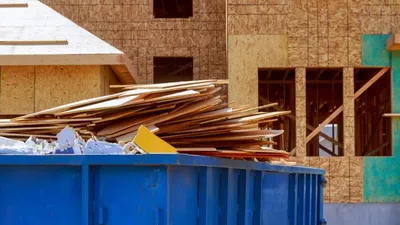
Renovating your home? Drywall, lumber, concrete, and roofing materials have different disposal rules than regular trash. Here's what to know.
Read more →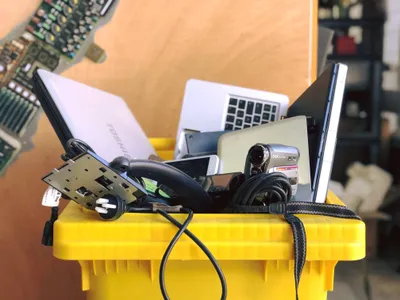
E-waste rules vary wildly by state. Some ban electronics from landfills entirely. Here's how to recycle old TVs, computers, and phones properly.
Read more →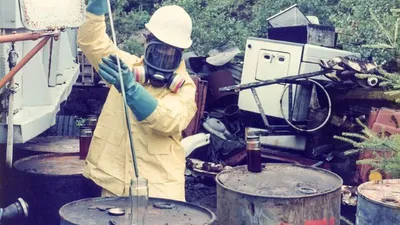
Most counties run free household hazardous waste collection events. Here's what qualifies, how to find your local event, and how to store stuff safely until then.
Read more →