Construction Debris: What You Can (and Can't) Take to the Dump
Renovating your home? Drywall, lumber, concrete, and roofing materials have different disposal rules than regular trash. Here's what to know.
Read more →A neighborhood recycling center in Queens that people use to drop off household recyclables and bulk materials they don't want dragging around the apartment. Small trucks, car-top loads and those with a trailer are the usual customers. It’s the kind of place locals swing by to keep stuff out of the trash and off the curb.
Drive up Douglas Avenue and look for a gate and a small entrance booth where vehicles are funneled through; there’s typically a scale you’ll cross as you go in or out, so be prepared to stop twice. Recycling bins and tipping areas sit a short distance past the booth, with piles or containers for paper, cardboard, metals, plastics and glass; there may also be a separate spot for electronics or larger metal items. The site is industrial-looking - concrete pads, roll-up doors and open bays - and traffic can queue on busy days, especially on weekends and during seasonal cleanups. Load sorting ahead of time helps keep the visit quick: items loose or separated are moved faster than a mixed jumble.
Learn how to properly dispose of common items.
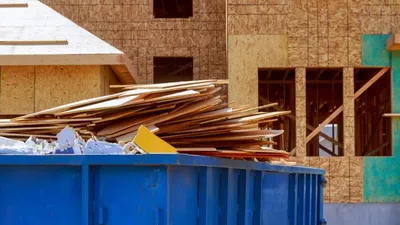
Renovating your home? Drywall, lumber, concrete, and roofing materials have different disposal rules than regular trash. Here's what to know.
Read more →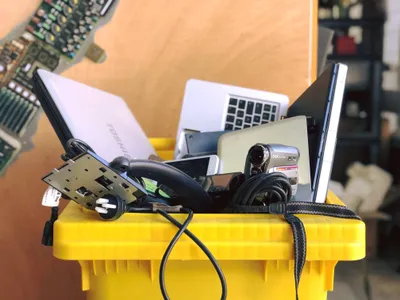
E-waste rules vary wildly by state. Some ban electronics from landfills entirely. Here's how to recycle old TVs, computers, and phones properly.
Read more →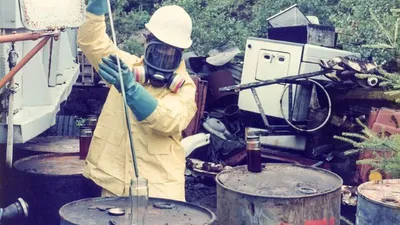
Most counties run free household hazardous waste collection events. Here's what qualifies, how to find your local event, and how to store stuff safely until then.
Read more →