Construction Debris: What You Can (and Can't) Take to the Dump
Renovating your home? Drywall, lumber, concrete, and roofing materials have different disposal rules than regular trash. Here's what to know.
Read more →Small transfer station tucked into the industrial stretch of 50th Street in Sunset Park, Brooklyn. Locals, small contractors and apartment superintendents use it to drop off household trash and bulky items that get compacted and sent out by truck. It's the kind of place that looks more practical than pretty - handy if hauling something that won't fit in the curbside bin.
Drive onto the site and you'll see a manned entrance booth and a scale where vehicles stop before and after dumping - charges are typically by weight at places like this. Pull forward as directed, then back up to the tipping floor or container area; there are concrete bays and large compactors around the yard. The yard is noisy and dusty, with trucks moving inside, so stay in your vehicle until traffic clears and follow any posted directional signs. Weekends, especially spring cleanup days, tend to have longer lines and a steady flow of pickup trucks and vans.
Learn how to properly dispose of common items.
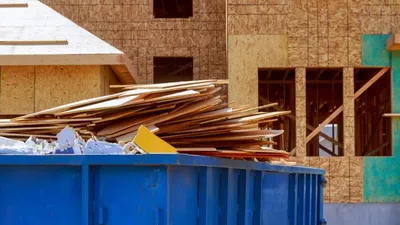
Renovating your home? Drywall, lumber, concrete, and roofing materials have different disposal rules than regular trash. Here's what to know.
Read more →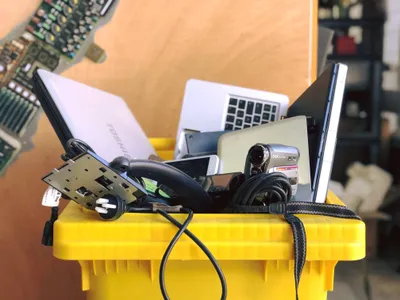
E-waste rules vary wildly by state. Some ban electronics from landfills entirely. Here's how to recycle old TVs, computers, and phones properly.
Read more →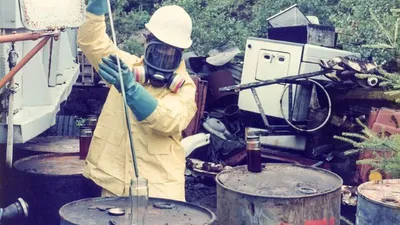
Most counties run free household hazardous waste collection events. Here's what qualifies, how to find your local event, and how to store stuff safely until then.
Read more →