Construction Debris: What You Can (and Can't) Take to the Dump
Renovating your home? Drywall, lumber, concrete, and roofing materials have different disposal rules than regular trash. Here's what to know.
Read more →A small solid waste facility out on NM-76 that folks from Santa Cruz and neighboring ranches use for household trash, yard clippings and some recycling. The place is the kind of regional site people swing by with pickup loads or trailers after weekend projects. It sits in a rural, desert setting a short drive from town, so expect a remote-feeling spot rather than a city transfer station.
Drive up off the highway onto a gravel entrance and find a low booth where attendants usually direct traffic; there’s often a scale nearby so vehicles stop a second time before leaving. Concrete pads, roll-off containers and piles of green waste or demolition debris are visible from the drive lanes, and wind can kick up dust on dry days. Recycling bins tend to be grouped to one side, with household trash areas and larger drop piles separate from them. Weekends and spring cleanup periods will commonly have lineups, and trailer drivers should watch for tight turning radii and occasional heavy trucks moving through.
Learn how to properly dispose of common items.
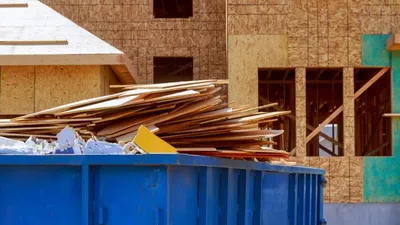
Renovating your home? Drywall, lumber, concrete, and roofing materials have different disposal rules than regular trash. Here's what to know.
Read more →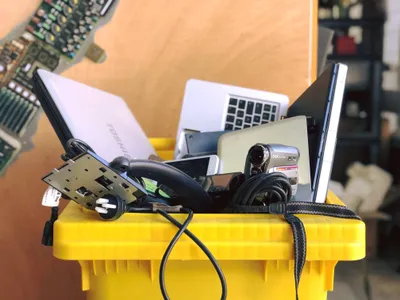
E-waste rules vary wildly by state. Some ban electronics from landfills entirely. Here's how to recycle old TVs, computers, and phones properly.
Read more →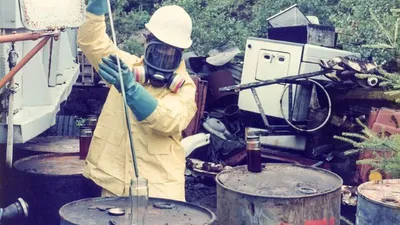
Most counties run free household hazardous waste collection events. Here's what qualifies, how to find your local event, and how to store stuff safely until then.
Read more →