Construction Debris: What You Can (and Can't) Take to the Dump
Renovating your home? Drywall, lumber, concrete, and roofing materials have different disposal rules than regular trash. Here's what to know.
Read more →Lea County Landfill in Eunice is the local place where household trash and commercial hauls end up buried. Neighbors, small contractors and truck drivers use it; it sits out on NM‑176 and feels like a proper working landfill rather than a tidy transfer station. The site handles large loads and operates on a typical tipping-fee-by-weight model and will take commercial trucks.
There’s a scale and an entrance booth where vehicles stop to be logged, so plan for a short delay getting in and out. Pull up to the booth, then drive onto the scale before proceeding to the dumping area; expect a return trip over the scale to record outbound weight. The site is big and mostly open earth-think mounded cells, gravel drives and dust in dry months-so larger trucks have room to maneuver but slower passenger cars should take care. Lines show up on busy weekends and during seasonal cleanups, and the whole place feels remote compared with municipal yards.
Learn how to properly dispose of common items.
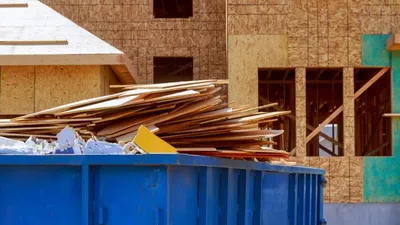
Renovating your home? Drywall, lumber, concrete, and roofing materials have different disposal rules than regular trash. Here's what to know.
Read more →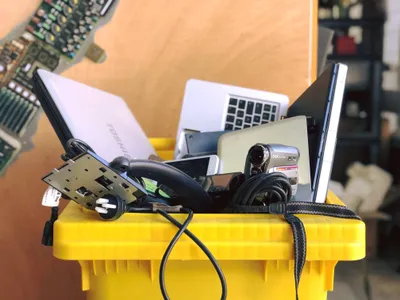
E-waste rules vary wildly by state. Some ban electronics from landfills entirely. Here's how to recycle old TVs, computers, and phones properly.
Read more →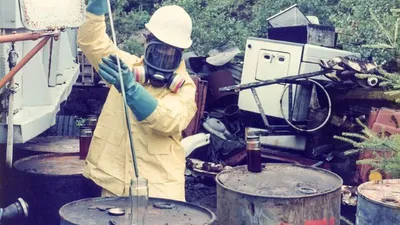
Most counties run free household hazardous waste collection events. Here's what qualifies, how to find your local event, and how to store stuff safely until then.
Read more →