Construction Debris: What You Can (and Can't) Take to the Dump
Renovating your home? Drywall, lumber, concrete, and roofing materials have different disposal rules than regular trash. Here's what to know.
Read more →Small, practical recycling center in town that locals swing by with bags or the occasional pickup load. Neighbors use it for sorting out paper, bottles, cans and the random bulk items that don't belong in curbside bins. It’s the kind of place people bring seasonal cleanups and leftover project materials to keep out of the landfill.
A modest paved lot with an entrance booth and a set of large recycling containers visible from the road; it looks like a working yard rather than a storefront. Pull up to the booth to check in, then follow the arrows or attendants to the appropriate bin area - containers for paper and cardboard are usually separate from containers for bottles and cans. There’s often a scale and a short stop on the way back out for larger loads, so expect a slight pause before leaving. Signs and posted lists typically show what’s accepted, and some centers run seasonal programs for electronics or other special materials.
Learn how to properly dispose of common items.
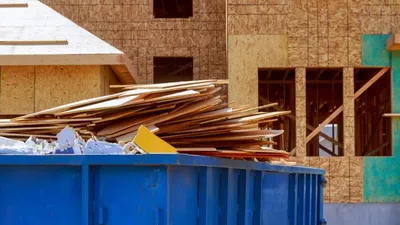
Renovating your home? Drywall, lumber, concrete, and roofing materials have different disposal rules than regular trash. Here's what to know.
Read more →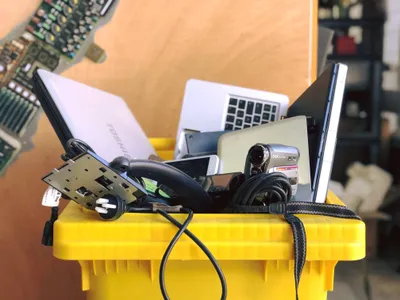
E-waste rules vary wildly by state. Some ban electronics from landfills entirely. Here's how to recycle old TVs, computers, and phones properly.
Read more →
Most counties run free household hazardous waste collection events. Here's what qualifies, how to find your local event, and how to store stuff safely until then.
Read more →