Construction Debris: What You Can (and Can't) Take to the Dump
Renovating your home? Drywall, lumber, concrete, and roofing materials have different disposal rules than regular trash. Here's what to know.
Read more →This is the municipal landfill for Billings, where household trash and larger loads end up buried. Locals and haulers from around the area use it, since Montana facilities are spread out and one trip can cover a lot of material. Winters and long drives from surrounding counties can make it a longer outing than expected.
Drive up to a gate with a small entrance booth and a scale - tipping fees are normally charged by weight, so expect to stop on the scale both in and out. Pull up to the booth to check in, then follow the signs and traffic flow to the active tipping area; the site itself is mostly compacted dirt, gravel ramps and large bare cells where loads are dumped. Recycling or drop-off bins are often set to the side near the entrance, and weekends or spring cleanup times can get backed up with a line of trucks waiting. Snow and mud can make the access road slick in winter, so give extra time for the round trip.
Learn how to properly dispose of common items.
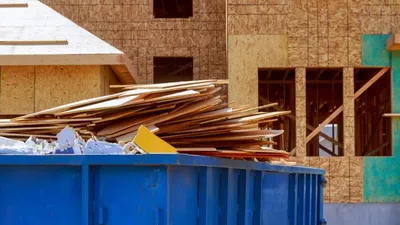
Renovating your home? Drywall, lumber, concrete, and roofing materials have different disposal rules than regular trash. Here's what to know.
Read more →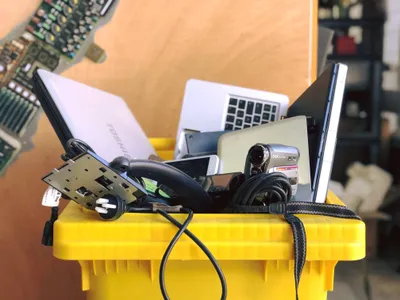
E-waste rules vary wildly by state. Some ban electronics from landfills entirely. Here's how to recycle old TVs, computers, and phones properly.
Read more →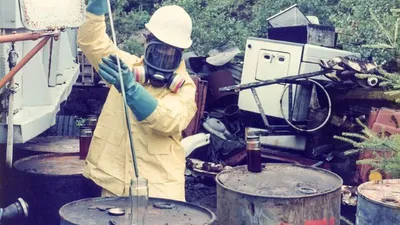
Most counties run free household hazardous waste collection events. Here's what qualifies, how to find your local event, and how to store stuff safely until then.
Read more →