Construction Debris: What You Can (and Can't) Take to the Dump
Renovating your home? Drywall, lumber, concrete, and roofing materials have different disposal rules than regular trash. Here's what to know.
Read more →Find landfills, transfer stations, and recycling centers across Missouri
118 waste disposal facilities
Missouri's waste management network serves urban centers like St. Louis and Kansas City as well as rural Ozark communities. The Missouri Department of Natural Resources oversees solid waste regulations, with disposal services provided by regional districts and private operators.
Showing 1-24 of 118 locations
Reeds Spring · 1080 Ance Creek Rd, Reeds Spring, MO 65737
View DetailsTarkio · 21166 US-59, Tarkio, MO 64491
View DetailsLa Grange · Backridge Landfill, 26265 State Highway B, La Grange, 63448, Missouri
View DetailsBethany · 4200 Roleke Drive, Bethany, MO 64424
View DetailsHartville · Black Oak Landfill, 5054 Highway HH, Hartville, 65667, Missouri
View DetailsBoonville · 690 Al Bersted Dr, Boonville, MO 65233
View DetailsBoonville · 1509 Locust Street, Boonville, MO 65233
View DetailsCape Girardeau · 2055 Corporate Cir, Cape Girardeau, MO 63703
View DetailsCarthage · 1309 Oak Hill Rd, Carthage, MO 64836
View DetailsSedalia · Central Missouri Sanitary Landfill, 24461 Oak Grove Lane, Sedalia, 65301, Missouri
View DetailsMaryland Heights · 2305 Creve Coeur Mill Rd, Maryland Heights, MO 63043
View DetailsMaryland Heights · Champ Landfill, 2305 Creve Coeur Mill Road, Maryland Heights, 63043, Missouri
View DetailsJoplin · 1310 W A St, Joplin, MO 64801
View DetailsNixa · 1093 Eaglecrest St, Nixa, MO 65714
View DetailsWashington · City of Washington Sanitary Landfill, 925 Struckhoff Lane, Washington, 63090, Missouri
View DetailsClinton · 1305 N Washington St, Clinton, MO 64735
View DetailsColumbia · Columbia Sanitary Landfill, 5700 Peabody Road, Columbia, 65202, Missouri
View DetailsMissouri's waste management system is overseen by the Department of Natural Resources Waste Management Program, which permits and regulates solid waste disposal areas throughout the state. Under Code of State Regulations 10 CSR 80-2, companies constructing or operating disposal areas must obtain appropriate permits. These legally binding documents specify which wastes can be accepted and identify special handling requirements. Missouri operates three main types of disposal areas: sanitary landfills for municipal waste, demolition landfills for construction debris, and utility waste landfills for power plant ash.
The state is divided into 20 solid waste management districts that foster regional cooperation between cities and counties. These districts help plan and implement recycling services and waste disposal alternatives at the local level, funded by tonnage fees paid at Missouri landfills and transfer stations. Each district manages grant programs for local improvements and maintains facility lists for their region. Contact your district office for information about facilities, recycling options, and special collection events in your area.
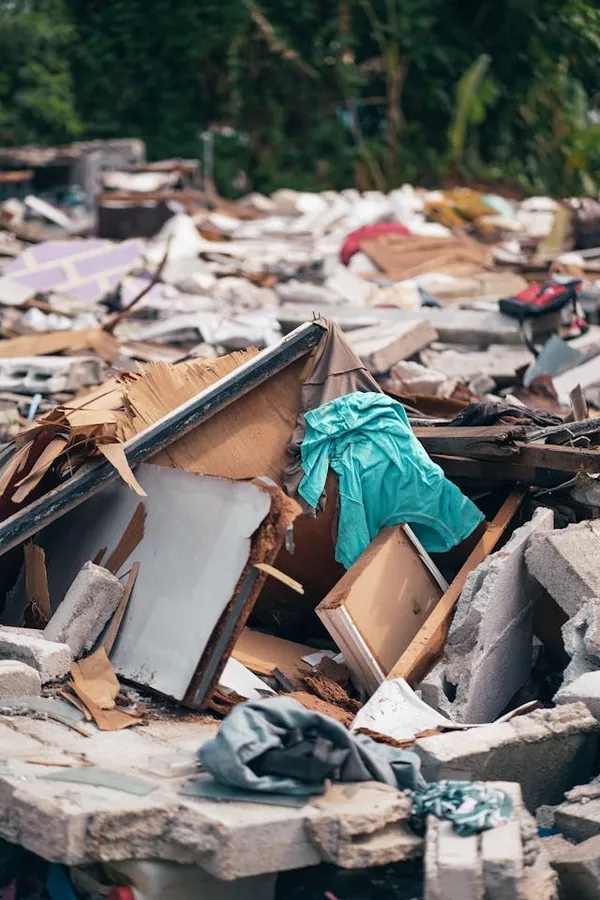
Disposal costs vary significantly across Missouri. St. Louis and Kansas City area landfills charge $35 to $55 per ton for municipal waste, with residential self-haul rates ranging from $25 to $50 per pickup load. Some facilities impose minimum charges. Rural areas in the Ozarks and northern Missouri typically have lower rates. Before visiting, contact facilities directly for current pricing and accepted materials.
Sanitary landfills, sometimes called municipal solid waste landfills, accept residential and commercial wastes with characteristics similar to household garbage. Demolition landfills exclusively accept construction materials, brush, wood waste, soil, rock, concrete, and inert solids that won't dissolve in water. Utility waste landfills handle fly ash, bottom ash, slag, and flue gas emission control waste primarily from coal-burning power plants. Each facility type has specific acceptance criteria.
Metro areas offer dedicated yard waste facilities producing mulch and compost, and many communities provide seasonal curbside collection. Yard waste is often banned from regular trash in larger cities. Household hazardous waste collection events are held in spring and fall by most districts, with some urban areas operating permanent drop-off sites for paint, pesticides, automotive fluids, and pool chemicals. The DNR recently held a public hearing for a proposed new landfill in Pettis County, demonstrating ongoing expansion of disposal capacity.
Learn how to properly dispose of common items.
Renovating your home? Drywall, lumber, concrete, and roofing materials have different disposal rules than regular trash. Here's what to know.
Read more →
E-waste rules vary wildly by state. Some ban electronics from landfills entirely. Here's how to recycle old TVs, computers, and phones properly.
Read more →
Most counties run free household hazardous waste collection events. Here's what qualifies, how to find your local event, and how to store stuff safely until then.
Read more →