Construction Debris: What You Can (and Can't) Take to the Dump
Renovating your home? Drywall, lumber, concrete, and roofing materials have different disposal rules than regular trash. Here's what to know.
Read more →King Landfill on Rifle Range Rd in Bay St. Louis, MS is the place locals drive when they've got full trailers, construction rubble, or a pickup load of junk. It’s a working landfill with big trucks, bulldozers and visible dirt cells. Residents, landscapers and haulers all use it when hauling material that will be buried.
There's usually an entrance booth and a weigh scale near the gate; landfills commonly charge tipping fees by weight, so expect a weigh-in and a weigh-out. Pull up to the scale, then follow the flow to the tip face where loads are dumped and heavy equipment pushes material into place; the surface is mostly gravel and can be dusty. Commercial loads are commonly handled at landfills of this size, though they often have different fee structures than small residential drops. Lines build up on weekends and during spring cleanup, so traffic and waiting are the most likely inconveniences.
Learn how to properly dispose of common items.
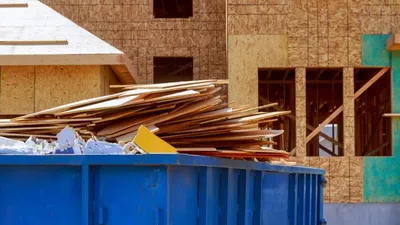
Renovating your home? Drywall, lumber, concrete, and roofing materials have different disposal rules than regular trash. Here's what to know.
Read more →
E-waste rules vary wildly by state. Some ban electronics from landfills entirely. Here's how to recycle old TVs, computers, and phones properly.
Read more →
Most counties run free household hazardous waste collection events. Here's what qualifies, how to find your local event, and how to store stuff safely until then.
Read more →