Construction Debris: What You Can (and Can't) Take to the Dump
Renovating your home? Drywall, lumber, concrete, and roofing materials have different disposal rules than regular trash. Here's what to know.
Read more →SKB Lansing Landfill is the big place outside Austin where commercial trucks and residents bring stuff that gets buried. A true landfill - not a transfer station or recycling center - it’s used by anyone hauling household trash or larger commercial loads. Expect it to handle large volumes; this is where final disposal happens.
There’s a scale and a small entrance booth near the road, so vehicles stop to be weighed and recorded before heading in. After the booth, drivers pull up to an active cell or tipping face where loads are dumped; it’s mainly open dirt and compacted cover with heavy equipment moving around. Tipping fees are charged by weight, and commercial loads typically have a different fee structure than residential ones. Winter can make the site messy and slow - mud, ice, and reduced hours are common in Minnesota.
Learn how to properly dispose of common items.
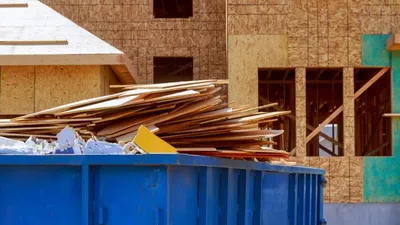
Renovating your home? Drywall, lumber, concrete, and roofing materials have different disposal rules than regular trash. Here's what to know.
Read more →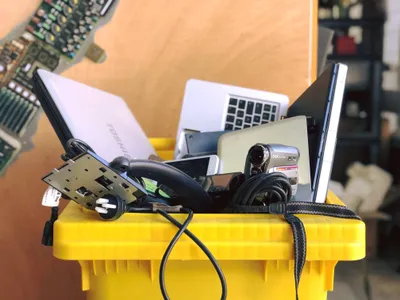
E-waste rules vary wildly by state. Some ban electronics from landfills entirely. Here's how to recycle old TVs, computers, and phones properly.
Read more →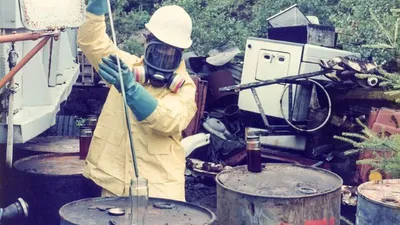
Most counties run free household hazardous waste collection events. Here's what qualifies, how to find your local event, and how to store stuff safely until then.
Read more →