Construction Debris: What You Can (and Can't) Take to the Dump
Renovating your home? Drywall, lumber, concrete, and roofing materials have different disposal rules than regular trash. Here's what to know.
Read more →A working landfill just off Courthouse Blvd in Rosemount, used by homeowners clearing out garages and by small commercial haulers. It’s where trash ends up being buried rather than recycled, so people drop off the stuff that won’t go to the recycling center. Locals swing by with pickup loads or roll-offs headed for final disposal.
There’s a scale booth you’ll drive over to be weighed - tipping fees are set by weight, with different rates for residential versus commercial loads and usually a small minimum charge for drive-ups. Pull up to the booth first, then follow signs or attendants to the unloading area; the site is large and mostly open, with mounded cells and compacted areas instead of lots of sorting bins. In colder months the movement is slower and some areas can be icy, so give yourself extra time and expect fewer people working outdoors.
Learn how to properly dispose of common items.
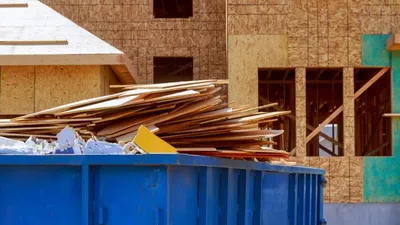
Renovating your home? Drywall, lumber, concrete, and roofing materials have different disposal rules than regular trash. Here's what to know.
Read more →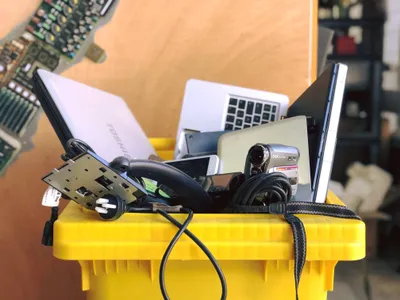
E-waste rules vary wildly by state. Some ban electronics from landfills entirely. Here's how to recycle old TVs, computers, and phones properly.
Read more →
Most counties run free household hazardous waste collection events. Here's what qualifies, how to find your local event, and how to store stuff safely until then.
Read more →